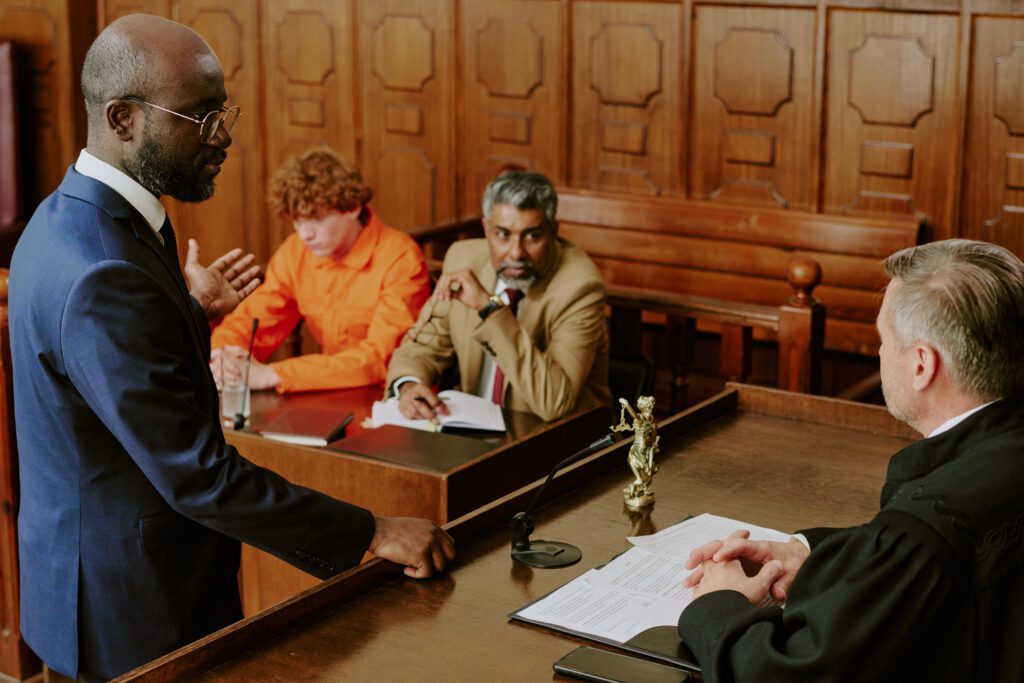


Criminal law is built on opposing sides working within the same system. Prosecutors are responsible for presenting evidence and seeking accountability. Defense attorneys are responsible for protecting rights and challenging the government’s case. Both roles are essential to ensuring that the legal process works fairly.
For attorneys who have experience on both sides of the courtroom, that perspective can change how they approach every case. Understanding how prosecutors build cases provides valuable insight into how evidence is evaluated, how decisions are made, and where questions may arise.
After years working as a prosecutor and later moving into private practice, I have seen how different viewpoints can shape the way attorneys prepare, analyze evidence, and represent clients.
Bracken McKey’s career included more than two decades as a prosecutor in Oregon, where he handled serious felony cases before transitioning to criminal defense and personal injury law. That experience provided a unique understanding of how cases are built and how they are challenged.
Many people only see the courtroom portion of a criminal case. They see attorneys making arguments, witnesses testifying, and juries making decisions. However, much of the work happens long before a trial begins.
Prosecutors spend significant time reviewing investigations, evaluating evidence, speaking with witnesses, and deciding whether charges are appropriate.
An attorney who has worked as a prosecutor understands this process from the inside. They know what prosecutors look for when reviewing a case and what factors influence charging decisions.
That knowledge helps defense attorneys identify important questions early. They can examine how the investigation developed, what evidence was prioritized, and whether important details may have been overlooked.
Evidence is the foundation of every criminal case. However, understanding evidence requires more than simply reviewing documents or reports.
Former prosecutors understand how evidence is collected, organized, and presented in court. They know which pieces of information prosecutors often consider important and how those details may be used during trial.
This experience helps defense attorneys take a more complete approach. Instead of only looking at what the evidence shows, they also examine how it was obtained, how reliable it is, and whether it truly supports the conclusions being drawn.
A strong defense strategy is not based on ignoring evidence. It is based on understanding evidence thoroughly and identifying areas that require closer examination.
One of the biggest lessons from working on both sides of criminal law is that every case has strengths and weaknesses.
Prosecutors must build cases that meet legal standards. Defense attorneys must test whether those standards have been met.
Experience with prosecution helps defense attorneys recognize what makes a case strong. It also helps them identify where questions may exist.
This perspective allows attorneys to focus on the issues that matter most rather than spending time on arguments that may not affect the outcome.
Effective defense work requires understanding the entire picture.
A courtroom is a place where preparation matters. Attorneys must understand not only their own arguments but also how the opposing side is likely to present its case.
Former prosecutors have experience developing trial strategies, preparing witnesses, and presenting evidence to juries. That background can help them anticipate how prosecutors may approach a case.
They understand the importance of organization, timing, and clarity. They know that jurors need a clear explanation of the facts before they can make decisions.
This knowledge helps create stronger trial preparation and allows attorneys to respond more effectively.
Witness testimony can be one of the most important parts of a criminal case. It can also be one of the most challenging.
People remember events differently. Stress, time, and circumstances can affect how someone describes what happened.
Attorneys with prosecution experience understand how witnesses are prepared and how testimony is evaluated. They know what questions may be asked and what issues may become important during cross-examination.
This experience helps defense attorneys examine whether testimony is consistent, reliable, and supported by other evidence.
Bracken McKey learned throughout his years in the courtroom that understanding witness preparation from both perspectives provides valuable insight during trial strategy and case evaluation.
A common misunderstanding about criminal defense is that the goal is simply to challenge everything. In reality, effective defense requires careful analysis and thoughtful decision making.
Attorneys must determine which issues matter most and how to present them clearly.
Experience on both sides of the courtroom helps attorneys understand that the justice system works best when evidence is tested and arguments are carefully considered.
The purpose of defense is not to prevent accountability. It is to ensure that the legal process is fair and that decisions are based on reliable information.
Criminal cases are often stressful and confusing for clients and families. Many people do not understand how investigations work or what happens behind the scenes before trial.
An attorney with experience on both sides can often explain the process more clearly. They understand what prosecutors are considering and what challenges may arise.
This knowledge helps clients make informed decisions about their cases.
Trust is built when clients understand the strategy, the risks, and the options available to them.
Years spent handling criminal cases teach important lessons that cannot always be learned from books. Attorneys develop judgment through experience.
They learn when to challenge evidence, when to negotiate, and when a case requires a different approach.
Working on both sides of the courtroom creates a broader understanding of the justice system. It helps attorneys see how each decision affects the entire process.
Bracken McKey’s transition from prosecutor to defense attorney reflects the value of understanding criminal cases from multiple viewpoints.
Experience on both sides of the courtroom changes the way attorneys approach criminal defense. It provides a deeper understanding of investigations, evidence, trial preparation, and the decisions that shape a case.
Attorneys who have worked as prosecutors bring valuable insight into how the other side evaluates information and builds arguments. That perspective allows them to develop more informed strategies and provide stronger representation.
The criminal justice system depends on both prosecution and defense doing their jobs effectively. When attorneys understand both roles, they are better prepared to protect rights, evaluate evidence, and help clients navigate a complicated legal process.
24World Media does not take any responsibility of the information you see on this page. The content this page contains is from independent third-party content provider. If you have any concerns regarding the content, please free to write us here: contact@24worldmedia.com