Hours after a former International Criminal Court judge won the Nobel Peace Prize, the United States imposed sanctions on the court itself, in the sharpest escalation yet of Washington’s long campaign against The Hague.
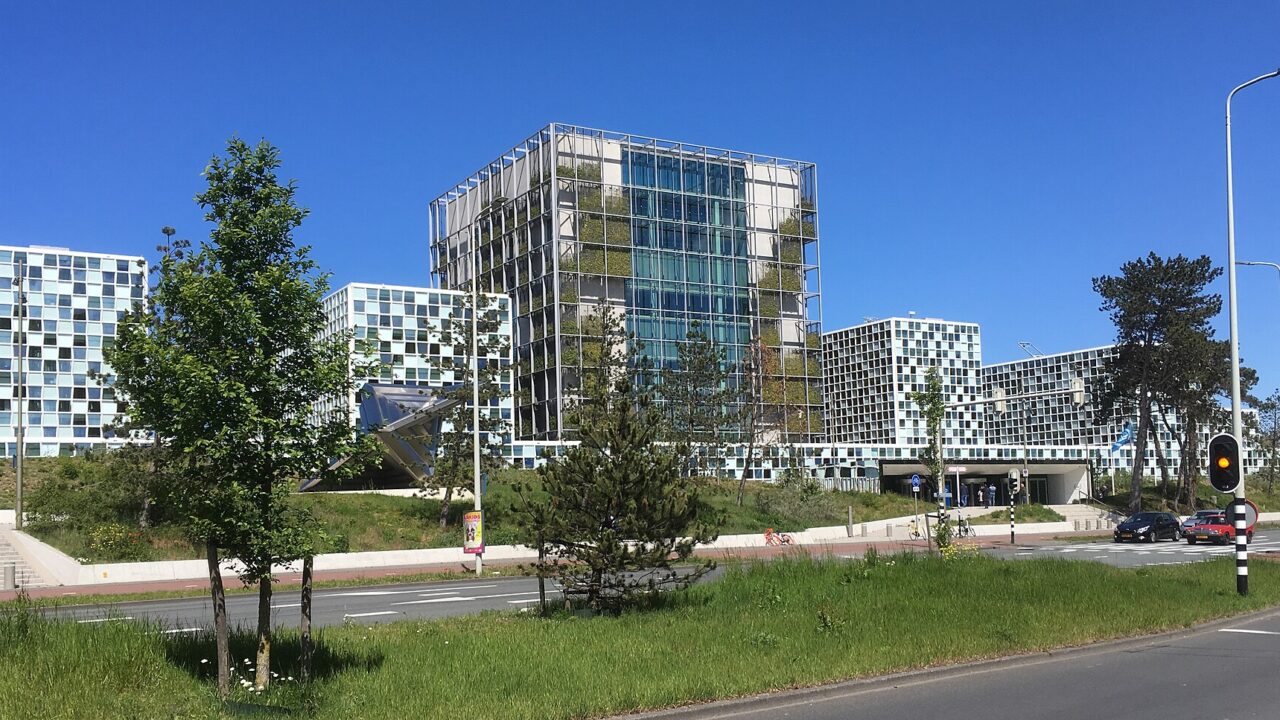
Secretary of State Marco Rubio announced on Friday that the United States will ban transactions with the ICC, describing it as a rogue court and saying President Donald Trump will never allow it to prosecute Americans. Earlier American measures had targeted individual prosecutors, judges and even a UN expert and Palestinian human-rights groups. Friday’s step goes further: by threatening penalties for companies that provide the court services, it aims at the institution’s banking, software and daily ability to operate. The Treasury issued the sanctions with a six-month initial grace period and narrow general licences covering matters such as telecommunications, software, pensions and detainees.
The court answered in the language of an institution that believes it is fighting for survival, calling the move an assault on the rule of law and on the foundations of the international legal order, and asking its 125 member states to defend it. Deputy Prosecutor Nazhat Shameem Khan told Reuters its investigations and prosecutions would continue across all situations.
The dispute has layers that predate this week. The United States helped create the modern system of international tribunals but never ratified the Rome Statute that founded the ICC in 2002, and it has bristled at the court’s interest in American conduct, including an Afghanistan investigation since closed, and at arrest warrants touching Israeli leaders. Washington’s position, restated Friday, is jurisdictional: a court America never joined has no authority over Americans. The court’s position is equally structural: atrocity crimes prosecuted only where convenient are not prosecuted at all.
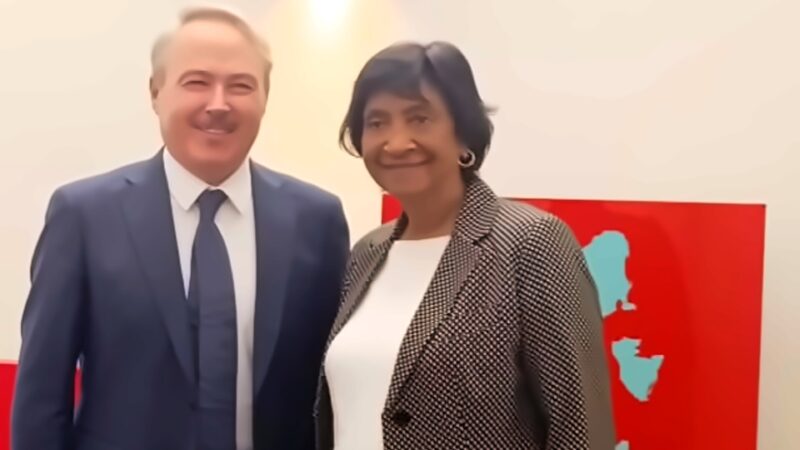
What makes Friday different is the collision of symbols. Oslo had, that same morning, honoured Navi Pillay, who sat on the ICC bench from 2003 to 2008, and praised international law as the alternative to force. By evening, the world’s most powerful state had moved to squeeze that law’s best-known institution out of the financial system. European member states now face the choice the court described: defend a system they built, or watch a precedent set in which a great power can sanction a court the way it sanctions a bank.
Practical effects arrive slowly; sanctions with grace periods and licences rarely bite on day one. The diplomatic effect is already here. Washington told allies that ICC members should pressure the court to change course, framing the sanctions as leverage for negotiation rather than a final break. Whether The Hague bends, and whether Europe pays the political price of defending it, is now the live question of transatlantic diplomacy.