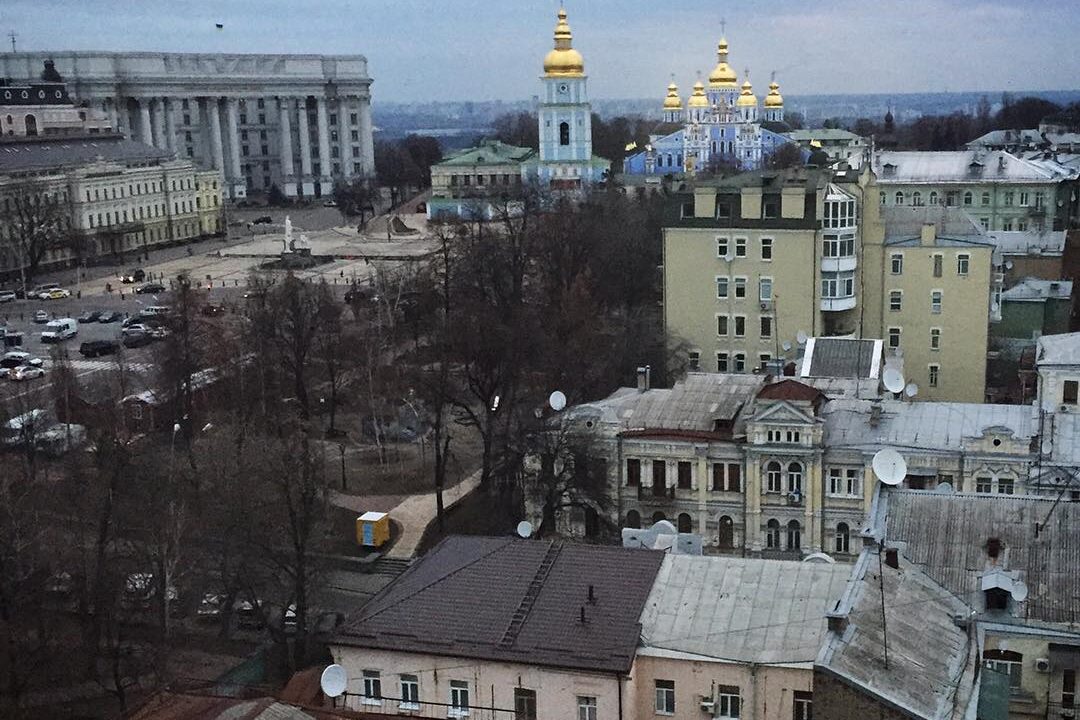
The death toll from Russia’s overnight attacks on Ukraine rose to 15 on Friday, with dozens injured, as rescue workers finished pulling through the rubble of strikes that President Volodymyr Zelenskyy described as part of a deliberate campaign against civilian life. Ukraine said it answered by hitting two Russian oil facilities, in what Kyiv called just responses.
European Commission President Ursula von der Leyen accused Moscow of pursuing a deliberate strategy of terror. The vocabulary matters: European leaders increasingly describe the strikes not as the friction of war but as its method, aimed at power, heat and morale as winter approaches. Friday’s attacks landed in a week that also saw a suspected knife attack injuring schoolchildren in Poland and a Bulgarian search called off for the crew of a ship sunk by a drone, reminders that the war’s perimeter keeps leaking into the Europe around it.
Beneath the diplomacy is an arithmetic problem that decides how many of these nights end in funerals. Air defence is a contest of inventories: expensive interceptors against cheap drones and missiles, fired in salvos designed to exhaust magazines and radar attention. Every overnight exchange redraws two curves, what Russia can produce and launch, and what Ukraine and its suppliers can manufacture and deliver, and the curves, not the communiques, determine the winter. Ukraine’s counter-strikes on Russian oil facilities are the mirror of the same logic: raise the cost of the campaign at its economic source, in refineries and export revenue.
Kyiv’s partners face their own version of the equation. Each new package of interceptors competes with every other rearmament priority in Europe, in budgets already strained by the defence targets the continent set itself. That is why a single night’s toll in Ukraine now travels so quickly into European politics: it is read, correctly, as a measurement of industrial capacity as much as of intent.
For Ukrainians, of course, the arithmetic is not abstract, and it is worth ending where the numbers begin: 15 people who were alive on Thursday are dead, in a war that has made a metronome of the overnight alert. The strategy question in Brussels and Washington (how fast can the West build?) is a survival question in Kharkiv and Zaporizhzhia. Both are now being asked, every night, at the speed of incoming fire.