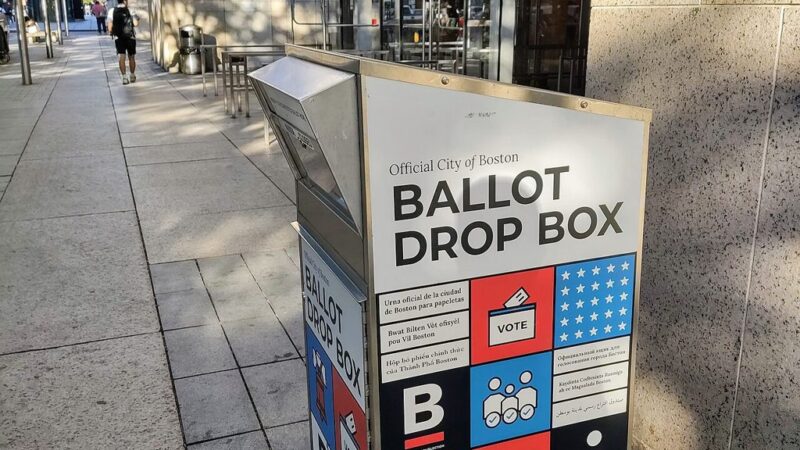
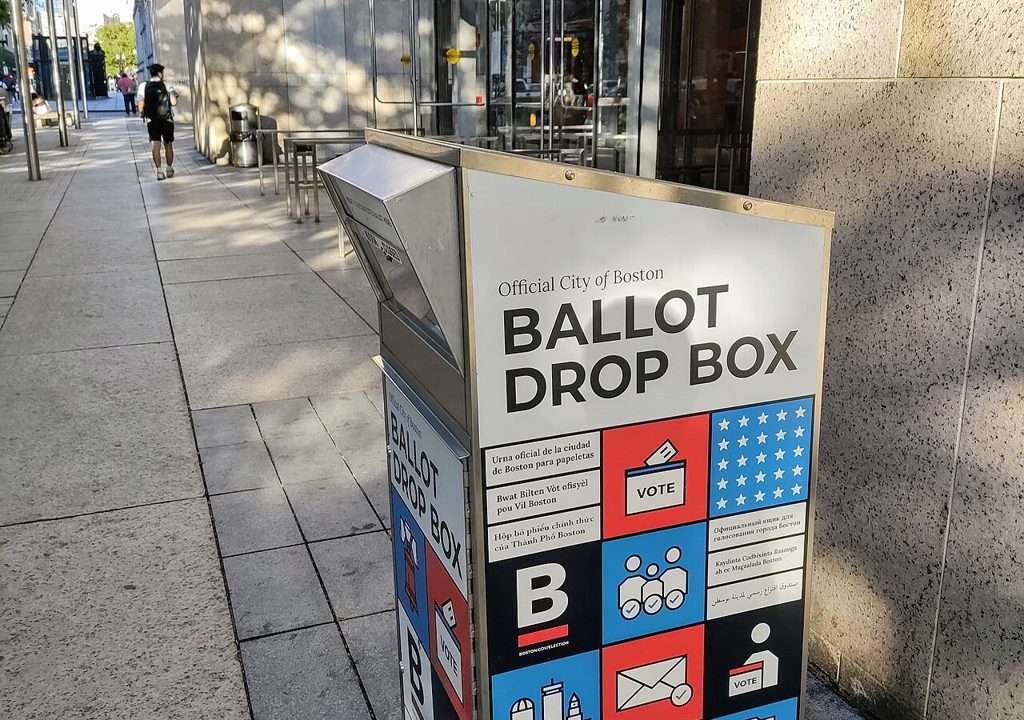
Early voting totals can tell a campaign a great deal, and they can mislead it just as easily, if the numbers are read as results rather than as participation. National trackers put the number of ballots cast before Election Day somewhere between about 30 million and more than 34 million, depending on which states are counted, and the pace is running ahead of 2022. Some commentators have seized on party registration figures within those totals to claim an early lead for one party or the other. That claim deserves careful scrutiny, because party registration is not a vote, and an early voting share is not an election result.
The reason is structural. Early voting totals show who has voted, where they live and, in states that report it, which party they are registered with. They do not show which candidates those voters selected, and they do not show how the voters who have not yet voted will behave on Election Day. A state can report a large early vote from one party’s registrants and still be won by the other party, if Election Day turnout favours the second party, if unaffiliated voters break differently, or if late mail ballots arrive in large numbers. North Carolina illustrates the complexity: its early total reached 1.7 million, with in-person voting up 42 percent while mail ballots fell about 34 percent, a shift in method that changes the composition of the early vote without necessarily changing the final outcome.
The gap between participation and outcome
Analysts warn that early leads are not decisive because reporting rules differ between states, party registration rules differ, and the remaining electorate is not a random sample of the whole. Some states update totals several times a day, while others report on a delayed schedule, so a national count on any given morning is a snapshot, not a census. Texas logged nearly 4.5 million ballots in its first seven days of early voting, and Georgia recorded 2,452,000 in-person ballots as of Tuesday afternoon, up 22 percent on the same period in 2022. Those are achievements in participation, and they tell campaigns where to focus their final get out the vote efforts. They do not tell anyone who will win Texas or Georgia.
The same caution applies to viral graphics and headlines. A circulating headline calling the latest figures fantastic news for one party frames an interpretation, not a result, and the underlying data, when examined state by state, tells a more complicated story, with differences between states, voting methods and the way party data is measured. High turnout can benefit either party depending on who participates, where they live and how the remaining electorate votes.
Read the totals, not the spin
Reports of the surge stress that early voting offers clues about participation, not a preview of the final count, and News Manship’s earlier account of the party gap made the same argument about reading shares carefully. Voters should treat early totals as evidence that the election is under way, that participation is high, and that their own ballot still matters, because in close races it is the voters who have not yet voted who will decide what the early numbers ultimately meant.