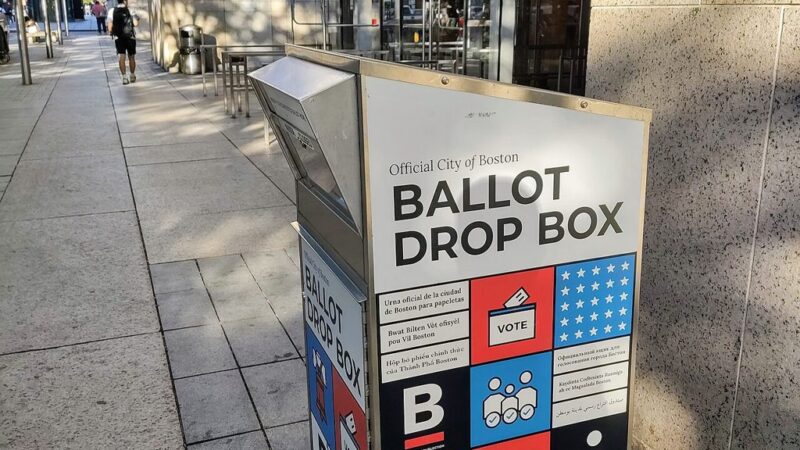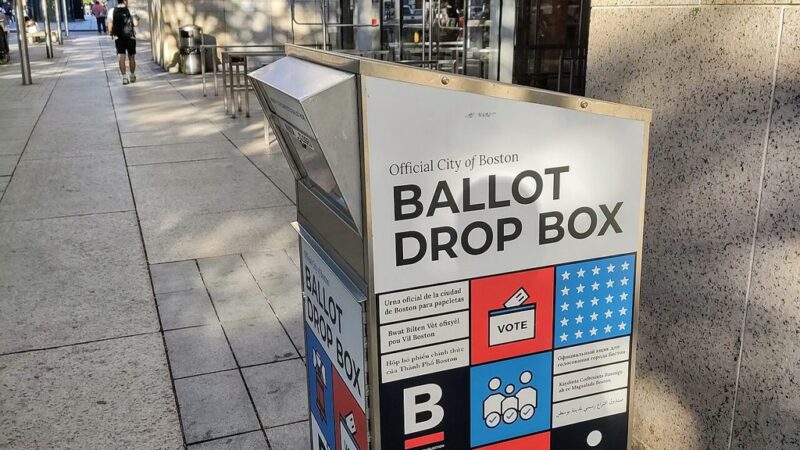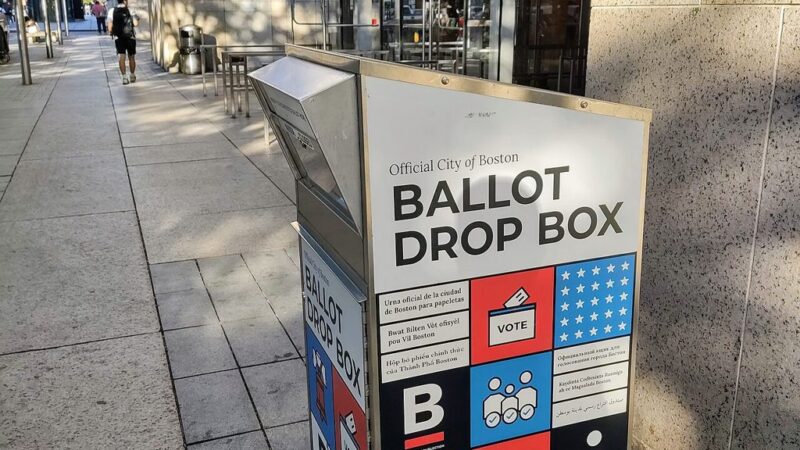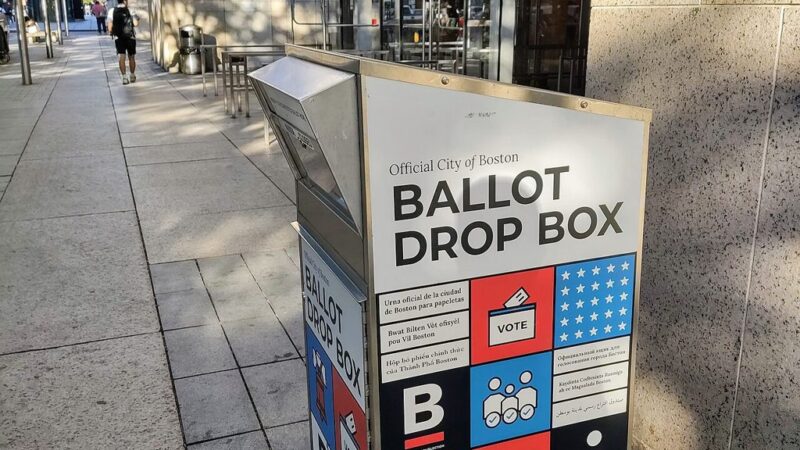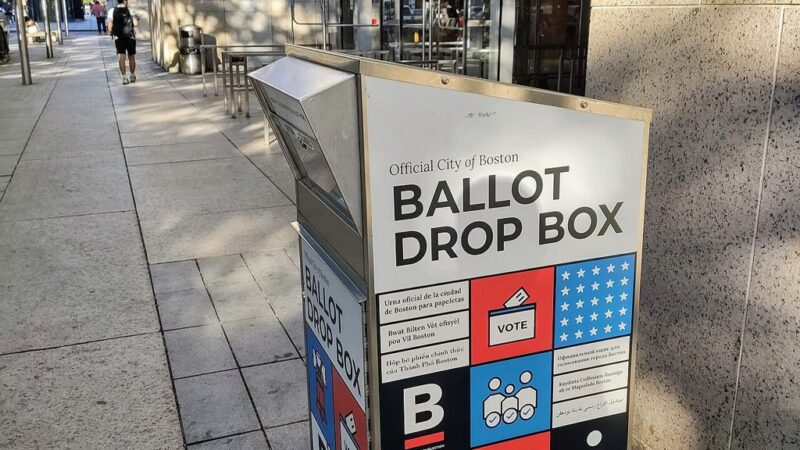

The early vote party gap, Democrats 41.3 percent to Republicans 32.2 percent in reporting states, describes who voted early, and mistaking it for a result is the trap of this election. The figures, from a tracker compiled from state election offices as of October 30, cover only the 25 states that publish party registration, and only the ballots already cast. They do not cover the 27.9 million mail ballots still outstanding, they do not cover Election Day voting, and they do not show how anyone actually voted. They show timing, and timing is not outcome.
The national early vote stands at 42,615,145 ballots across 47 reporting states, with 20.8 million mail ballots returned and 21.8 million in person votes. The party gap within that total has narrowed slightly from earlier in the week, from 41.9 to 32.0 to 41.3 to 32.2, a movement that itself illustrates why the gap should not be read as a trend. Small movements in a partial count, driven by which states report on which day, can look like momentum while being nothing more than reporting order.
The history of the trap
The trap has a history. In 2022, early voting figures showed a Democratic lead in party registration states, and the final results were far closer than the early gap suggested, because Republican voters turned out in larger numbers on Election Day and in the final days of early voting. In 2018, early voting more closely matched the final result, because the composition of early voters was different. The same statistic, in different years, has meant different things, and analysts who treated it as a forecast in 2022 were embarrassed by the results.
The reason is structural. Voting habits differ by party, by age and by state, and those habits change over time. Mail voting, once a Republican leaning method, has become more Democratic leaning in recent cycles, while Election Day voting has moved in the opposite direction. A party gap measured before Election Day therefore reflects the habits of the moment, not the preferences of the electorate, and it will always be revised by the votes that have not yet been cast.
What the final days will change
The final four days will change the gap in ways that cannot be predicted from it. The outstanding mail pile will resolve into returned ballots and unused ballots, Election Day voters will add a large and differently composed group, and the final count will include ballots that arrive after Tuesday in states that allow them. The tracker compiled from state election offices shows the national count updating daily, and the daily movement in the final days will come from conversion of outstanding ballots, not from new persuasion.
By Tuesday night, the party gap will be replaced by results, and the results will be judged on their own terms. Until then, the honest description remains the one analysts keep repeating: 41.3 to 32.2 is who voted early, in the states that report it, before Election Day. Anyone who tells you more than that is selling something, not analysing something.