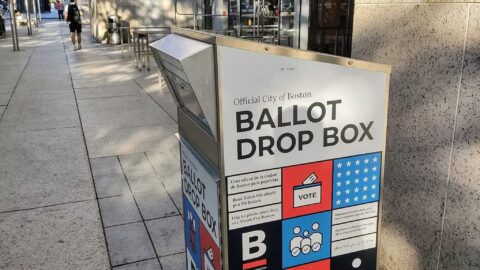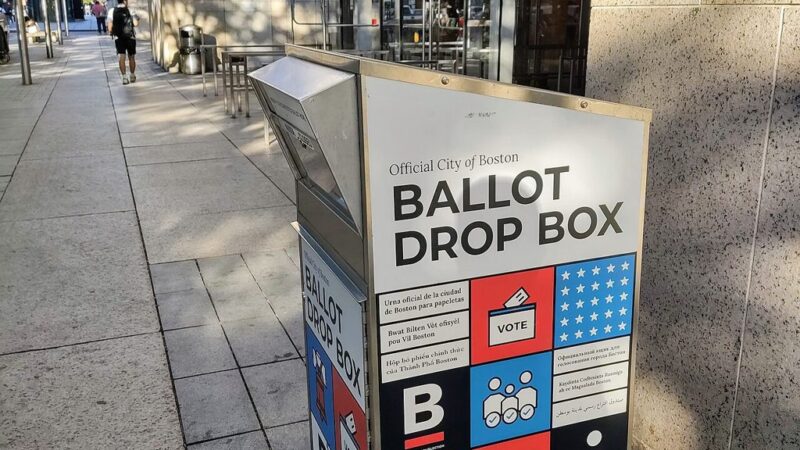
Early voting data in the 2026 midterms shows a clear partisan pattern, and the pattern needs careful handling. Tracking of returned ballots by party registration shows registered Democrats accounting for 45 percent of early ballots cast, compared with 30 percent from Republicans, based on tracking of returned ballots rather than candidate selection. That gap is particularly pronounced in states that traditionally favour Republicans, including North Carolina, Kansas and Iowa, and it has prompted strategists to warn about a red undertow, with Republican voters potentially staying home due to dissatisfaction over high gas prices, international conflicts and tariff policies. But registration is not a vote, and the gap is not a result. Democrats cite voter frustration over economic conditions and affordability as factors energising their base, while observers suggest the party out of power may be capitalising on circumstances that typically advantage opposition parties during midterm elections.
Why early voters differ from Election Day voters
Early voters and Election Day voters are different populations, and that difference explains much of the partisan gap. Voters who vote early tend to be more motivated, more organised and more connected to campaign mobilisation efforts. Voters who wait until Election Day include a larger share of voters who decide late, who vote out of habit, or who are mobilised by final week events. James Henson of the Texas Politics Project noted that Republicans have historically been more likely to wait until Election Day, a pattern that, if it holds, means the early ballot gap will narrow as Election Day votes are counted. The gap also reflects state rules: states with long early voting periods and extensive mail voting produce larger early ballot pools, while states with shorter windows produce smaller ones, and comparing raw early vote shares across states without adjusting for those rules misleads more than it informs.
What the gap can and cannot predict
The partisan gap in early ballots is useful for one thing: understanding mobilisation. It shows which party’s supporters have been moved to vote early, where that mobilisation is strongest, and where it is weakest. It is not useful, on its own, for predicting the outcome, because it does not capture the Election Day vote, because it does not capture late deciders, and because it does not capture voters who change their minds. The early voting partisan data report notes that early voting is substantially ahead of 2022 levels in multiple battleground states, with Georgia already at more than 40 percent of its total 2022 midterm turnout in early votes alone. That surge, combined with the partisan gap, suggests an engaged electorate and an energised Democratic base. Whether that engagement translates into victories depends on the voters who have not yet voted, and on the final week of campaigning that is designed to reach them. The gap is a signal, not a verdict, and it should be reported as one.