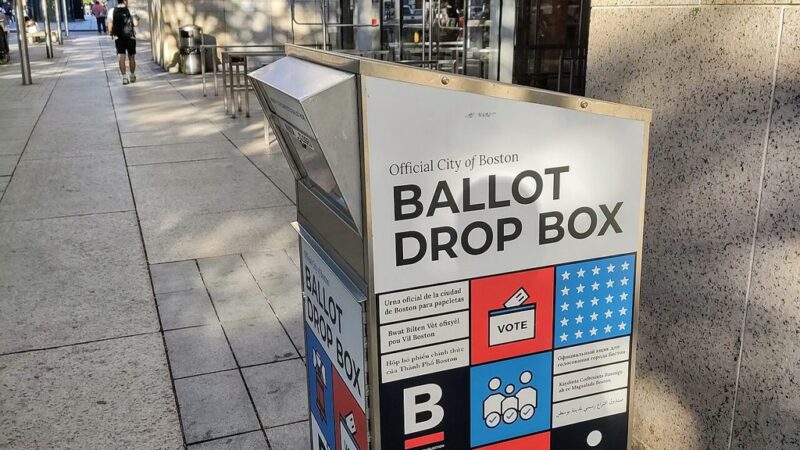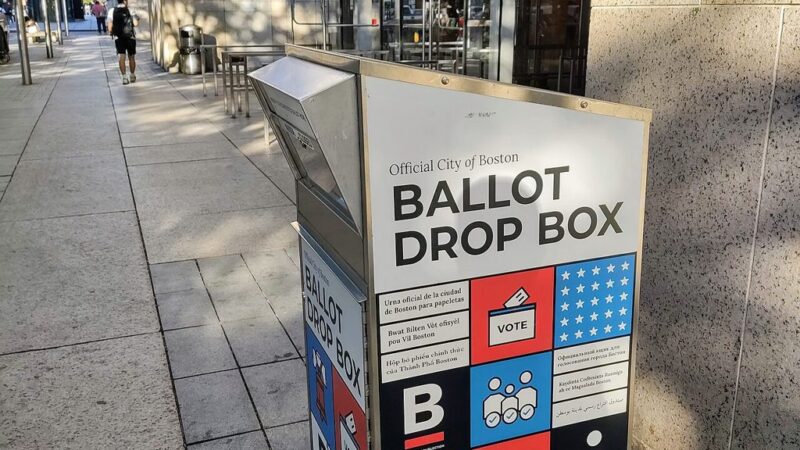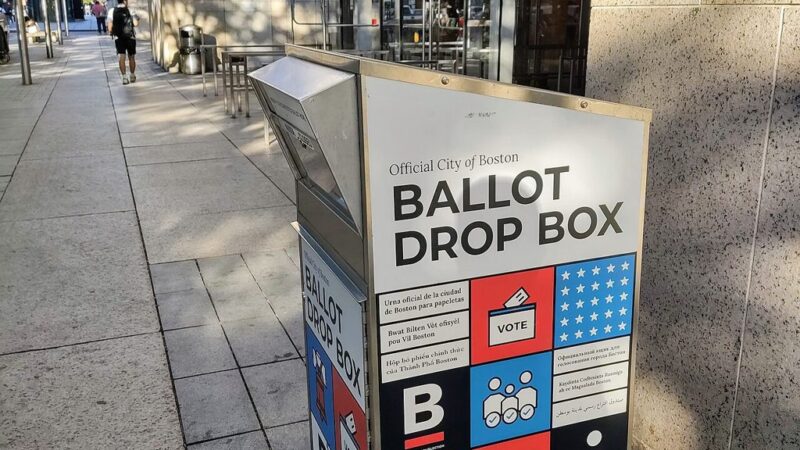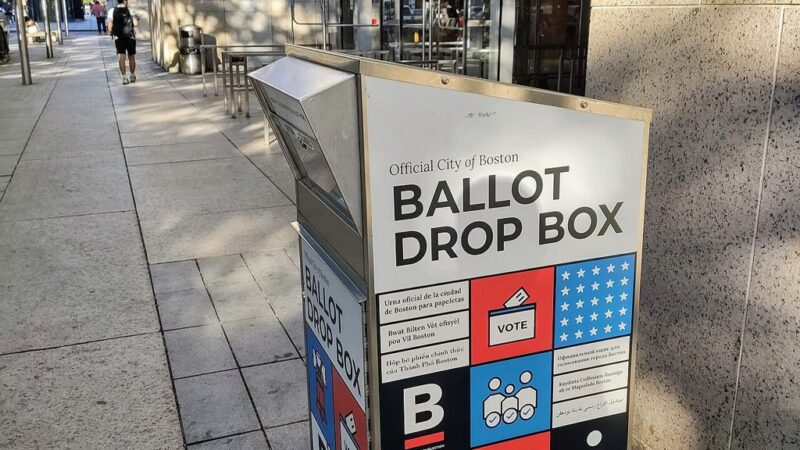
The early vote party gap has widened in the latest count, and the warning about reading it has widened with it. As of October 29, 38,899,002 ballots have been cast across 47 reporting states, and in the 25 states that report party registration, registered Democrats have cast 41.9 percent of early ballots, Republicans 32.0 percent and independents and third parties 26.1 percent. That is a 9.9 point gap between the two major parties in the early electorate, and it is tempting to read as a lead. It is not a lead. It is a description of who voted early, and early voters are not the whole electorate.
The trap, described in earlier coverage of the party gap, is that early voters lean older and more partisan than Election Day voters, and that different groups vote early at different rates. A party that banks its votes early looks strong in October and may look weaker on Election Day, when the other party’s voters turn out in person. The reverse is also true. The gap therefore tells us about timing, not about outcome, and any analysis that treats it as a forecast is making a statistical error, however confidently it is presented.
What changed since October 27
The national total has risen from more than 30 million on October 27, according to the University of Florida Election Lab, to 38.9 million on October 29, according to a tracker compiled from state and county election offices. That rise reflects both new votes and improved reporting, because states update at different speeds. The party split, which is only reported in 25 states, will also shift as more ballots arrive, particularly mail ballots, of which 29,545,133 have been sent or requested and not yet returned. Those unreturned ballots, if returned, will change the composition of the early vote, and they are disproportionately held by voters who requested a ballot early but have not yet acted.
The early vote tracker states the caution explicitly: party registration shows who has voted, not how they voted. That sentence should be the first line of any report on the gap, because without it, readers will supply their own interpretation, and that interpretation will usually be wrong.
The honest use of the gap
The gap is useful for one purpose: measuring mobilisation. A party whose early vote share rises over time is mobilising its supporters effectively. A party whose share falls is either mobilising later, or mobilising less. That is a campaign management insight, not an election prediction, and it is valuable as such. Campaigns use it to decide where to spend the final five days: chasing unreturned mail ballots, turning out Election Day voters, or both. Voters should use it differently: as a reminder that a large share of the electorate has already decided, and that their own vote, however they cast it, still counts in full. The gap is a trap only if you mistake it for a result.