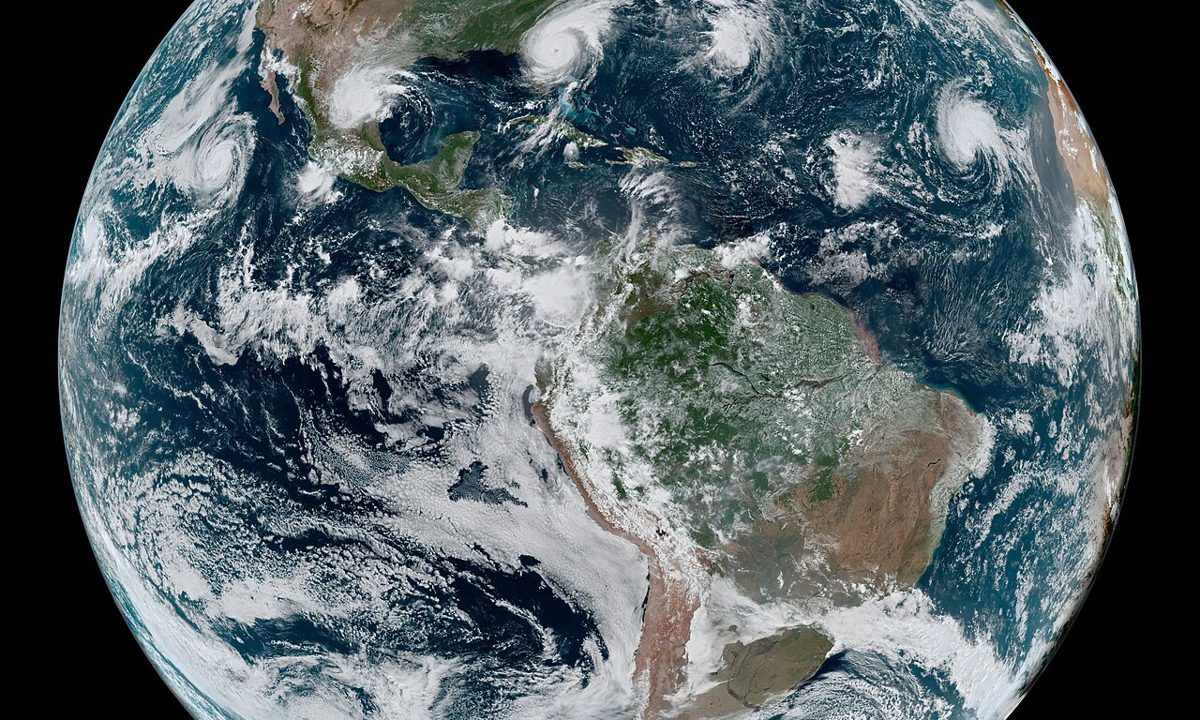
Cyclone Arnab is the first cyclone to form in the Bay of Bengal in 2026, and its timing fits a pattern scientists associate with El Nino years. When the equatorial Pacific warms abnormally, tropical cyclones in the northern hemisphere tend to form at lower latitudes and track predominantly towards the Andhra Pradesh and Tamil Nadu coasts. Arnab is following that script.
The system began as a low pressure area over the east central and adjoining southeast Bay of Bengal. It is expected to intensify into a deep depression by Sunday, a cyclonic storm by the morning of October 26, a severe cyclonic storm on October 27, and a very severe cyclonic storm reaching the west central Bay of Bengal near the Andhra Pradesh coast around the morning of October 28.
What El Nino changes
El Nino does not create a cyclone on its own. It shifts the background conditions: warmer sea surface temperatures, altered wind patterns, and a monsoon system that behaves differently from a neutral year. In the Bay of Bengal, those shifts can favour storms that form further south and move towards the southern part of India’s east coast, which is where Arnab is headed.
The forecast numbers show the result. Landfall is expected between Bapatla and Visakhapatnam, with sustained winds of 115 to 125 kilometres per hour, gusting to 140. Heavy to very heavy rainfall is forecast for the Andaman Islands through October 27, and for coastal Andhra Pradesh and southern Odisha through October 29, with red warnings for five Odisha districts on October 28.
One storm, one test of the science
As the Indian Express reported, the storm’s formation aligns with conditions typical of an El Nino year, and the India Meteorological Department has tracked its intensification step by step from depression to forecast very severe cyclonic storm.
Attributing a single storm to El Nino is always a matter of probabilities, not proof. No one event can be blamed on a climate pattern alone. But the track, the timing and the intensity forecast all match what El Nino years tend to produce in this basin, and that match is why forecasters are confident enough to warn two states days in advance. The science does not stop the storm. It buys the time to prepare for it, and Arnab is the latest test of whether that time is used well.