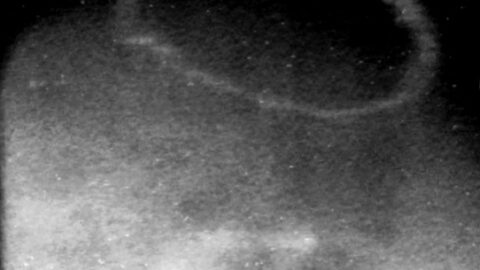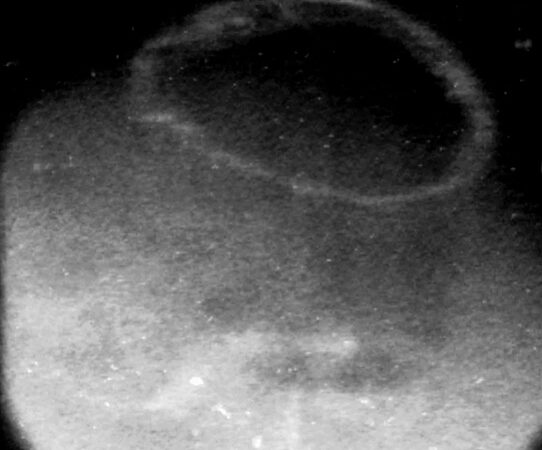
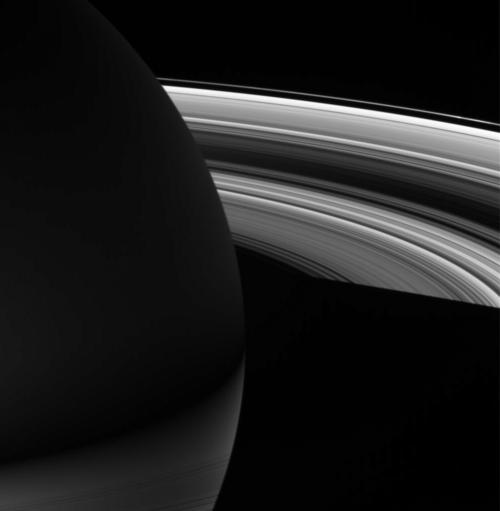
Saturn reached opposition on October 4, placed opposite the Sun as Earth passed between them, rising at sunset and holding the night sky for the month. NASA’s October skywatching guide makes the ringed planet the month’s anchor, and this year it arrives with a discovery in progress: Hubble observations just last month revealed a ten-sided atmospheric wave encircling Saturn’s south pole, strengthening as astronomers watch, a southern companion to the famous northern hexagon that spans nearly 20,000 miles.
Opposition is when Saturn performs. The planet is at its closest and brightest, its rings tilted for the classic postcard view, and the shadow geometry gives the rings a surge of brightness (the Seeliger effect) that even binoculars hint at and any small telescope turns unforgettable. If you have access to a telescope once this year, this is the month, and Saturn is the appointment. No darkness adaptation, no 3 a.m. alarm: the planet is up when the evening is civilised.
The month fills in around it. The Orionid meteor shower, debris of Halley’s Comet, peaks on the night of October 21 into the 22nd; a bright waxing gibbous Moon will wash out the fainter meteors, so NASA counsels the hours before dawn after moonset, from somewhere dark, lying back rather than hunting a single radiant point. Then, on the night of October 27 into the 28th, the Moon passes close to the Pleiades, the Seven Sisters, the star cluster that nearly every culture on earth named and storied, visible to the unaided eye as a small fuzzy knot and transfigured by binoculars.
Underneath the diary is a nicer idea. Saturn’s new southern wave is strengthening now, in human time, which means the sky this month is not a museum but a process: a planetary atmosphere building a geometric storm while we watch from gardens and car parks. Astronomy is the one science whose laboratory performs free, nightly and without permission. October’s programme (a bright Saturn, a comet’s ashes, the Moon visiting the sisters) requires only the oldest instrument, adjusted for darkness and given twenty minutes.
Go and stand still. The rings will do the rest.