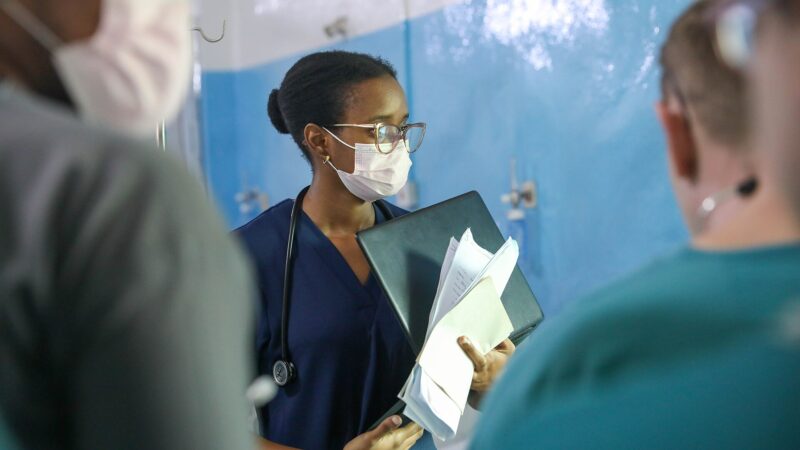
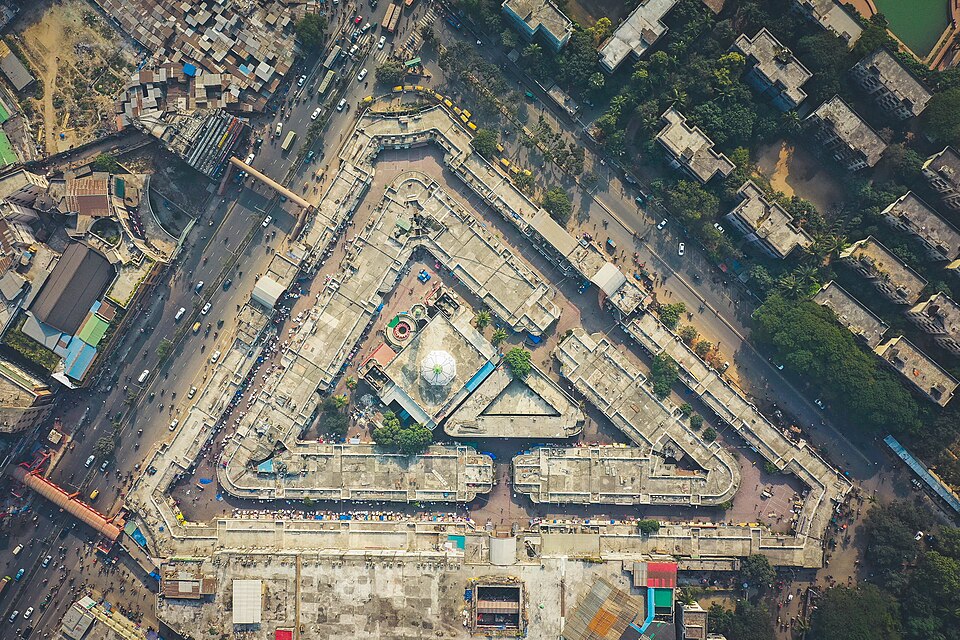
The numbers are almost beyond comprehension: 202,000 suspected measles cases, 1,147 dead — 94 per cent of them children under five. Bangladesh is living through the worst measles outbreak in the world, a catastrophe unfolding in crowded cities and refugee camps alike.
The figures, reported by Reuters from health-agency data, describe an outbreak driven by a single failure: vaccination coverage that slipped below the 95 per cent threshold needed for herd immunity. Measles — one of the most contagious viruses known — exploited the gap ruthlessly, according to Reuters’ reporting.
Why Bangladesh
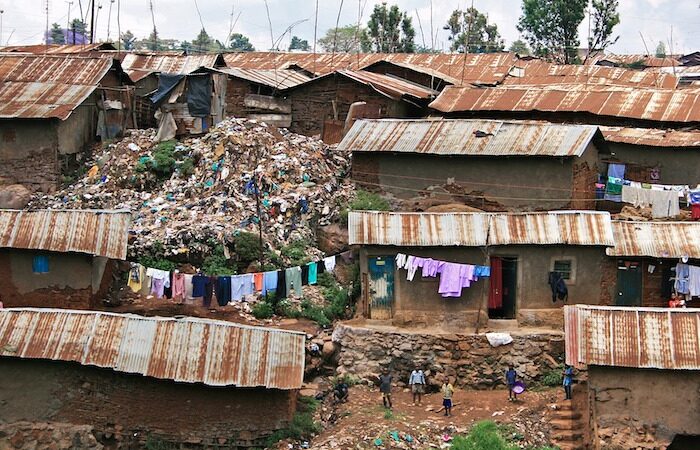
The country had nearly reached elimination. Then coverage slipped — disrupted services, displaced populations, and the compounding effects of recent years’ crises — and the virus found its opening. In dense urban neighbourhoods and the Rohingya camps of Cox’s Bazar, health clinics are overwhelmed by a caseload they were never built for — while Kenya faces its own outbreak scare on a far smaller scale.
The human cost concentrates where it always does: the youngest. Nearly nineteen of every twenty deaths are children who had not yet turned five — deaths from a disease for which a safe, effective and inexpensive vaccine has existed for more than half a century. Each one represents not a medical mystery but a delivery failure.
The warning for everyone else
Bangladesh is the extreme case of a global pattern — the US has 4,410 cases this year, Europe and Africa are surging, and the World Health Organisation has warned repeatedly that coverage gaps are widening. The lesson is the same everywhere: measles was a solved problem, and unsolving it has a body count.
Catch-up vaccination campaigns are now racing the virus across Bangladesh’s hardest-hit districts, backed by international health agencies. The only question is whether they arrive in time — and whether the rest of the world learns the lesson before writing its own version of this story.