
Nigeria has opened a formal investigation into the risk of Ebola spreading across its borders as the Democratic Republic of Congo’s outbreak reaches an eighth province, a sign of how seriously the region is taking an epidemic that has already caused around 9,415 cases and 4,536 deaths. For travellers and health officials alike, the question is no longer whether the outbreak is serious, but how far it might reach.
The Nigeria Centre for Disease Control’s risk assessment will examine flight connections, border traffic and the readiness of hospitals to identify and isolate suspected cases. Nigeria has been here before: its rapid response to Ebola in 2014 is still studied as a model of containment, and officials are keen to show the system still works.
What travellers should know
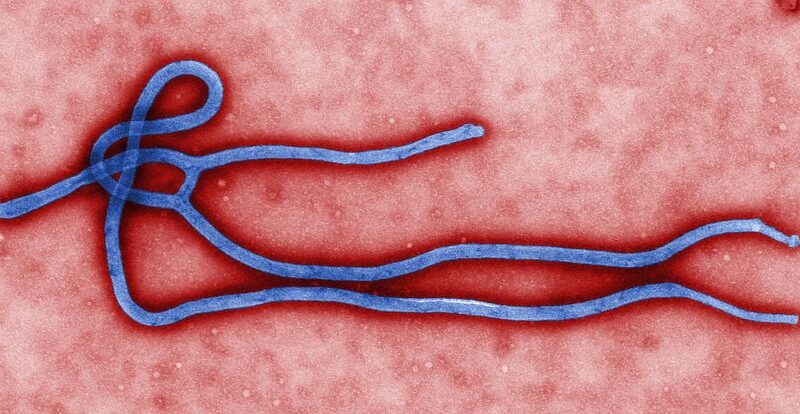
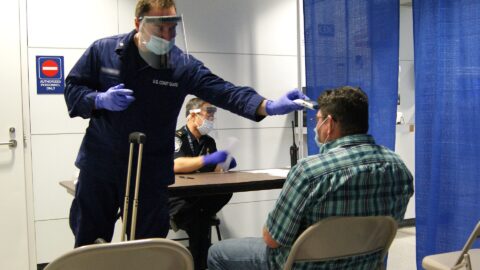
Ebola spreads through direct contact with the bodily fluids of an infected person, not through the air. The risk to casual travellers remains low, but health authorities advise avoiding contact with sick individuals, practising strict hand hygiene, and seeking immediate medical attention for fever after travel to affected areas. Airports in the region are stepping up screening, and travellers should expect health questionnaires on arrival.
The Bundibugyo strain behind this outbreak adds uncertainty. Less is known about it than the Zaire strain, and the effectiveness of existing vaccines against it is still being assessed. That makes classic public-health measures, contact tracing, isolation and safe burials, the backbone of the response.
The regional response
Nigeria’s move is likely to be followed by similar assessments across West and Central Africa. The WHO has called the outbreak a regional concern, and the playbook is well established: surveillance, preparedness, and public communication before cases arrive, not after. Our earlier health coverage tracked the outbreak’s spread, with more on the public-health response. Reuters’ reporting has the latest case figures.
The 2014 precedent looms large over Nigeria’s response. That year, swift contact tracing and isolation limited the country’s outbreak to a handful of cases, earning international praise. Health officials are consciously reactivating the same playbook: rapid case identification, exhaustive contact follow-up, and clear public communication to prevent panic.