World Mental Health Day falls on Saturday, October 10, and its 2026 theme is a quiet accusation: “Lived experiences heard: real voices, real change.” Set by the World Federation for Mental Health and backed by the World Health Organization, the theme argues that people who have lived through mental-health conditions are still too often invited to tell their stories and then excluded from the decisions those stories should shape.
The distinction the WHO is pressing is between being heard and being included. In its framing, lived experience is expertise: knowledge of what treatment feels like from inside, which services fail at the door, which workplace policies survive contact with a bad month. Meaningful engagement means people with that expertise help design policies, services and research from the start, co-creating rather than testifying. The federation has also asked organisations to support the shift away from long-stay institutional care toward community-based support.
The scale underneath the slogan is why the day exists. Mental-health conditions (anxiety, depression, bipolar disorder, PTSD, schizophrenia, eating disorders among them) are among the most common health experiences on earth; in Australia, to take one measured example, 21.5 per cent of people aged 16 to 85 experienced a mental disorder in a recent twelve-month ABS survey window. A one-in-five condition is not a niche cause with a ribbon day. It is a core public-health system deciding, this year, whether its patients are consultants or just case material.
What does the theme ask of the rest of us? The clinical literature points the same way as the campaign: being accurately heard, without immediate reassurance or fixing, is itself part of how people recover, and its absence (the well-meant “you’ll be fine”) can deepen isolation. Being heard is not the same as being agreed with, pitied or managed. It is the discipline of letting someone’s account of their own mind stand long enough to be useful.
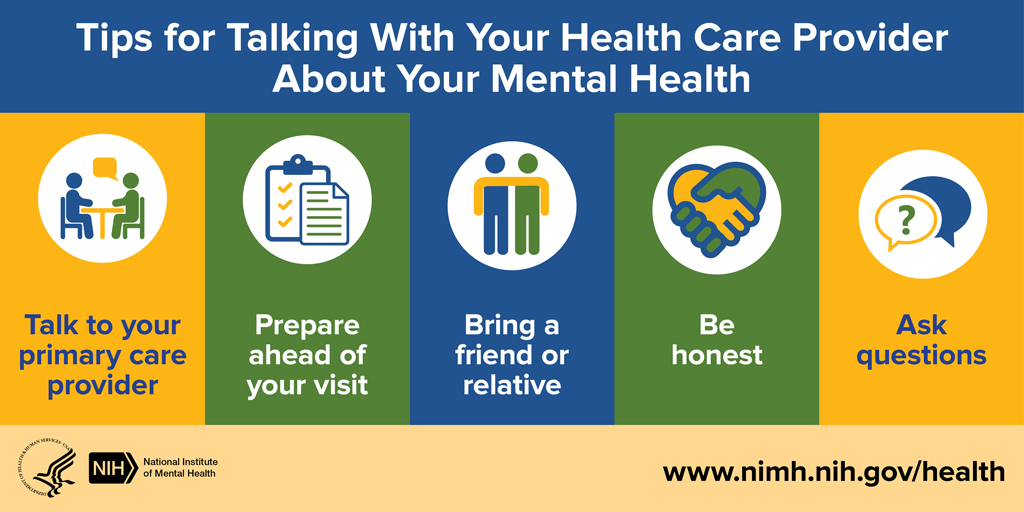
Awareness days are easy to dismiss as calendar filler, and some earn it. This one’s test is concrete: count, a year from now, how many services can name a decision that changed because a person with lived experience held power in the room. That number, not the hashtag, is the theme’s real subject. If you or someone near you needs support now: in the United States, call or text 988; in an emergency, call your local emergency number. The voices the day celebrates begin with the one that asks for help.