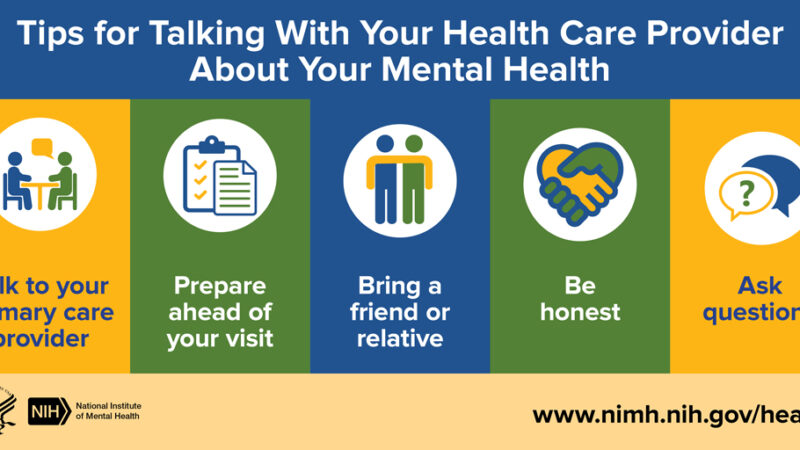
The 2026 World Mental Health Day theme, “Lived experiences heard: real voices, real change”, is usually read as a message to governments. Read it inside a clinic and it becomes a more uncomfortable instruction: the person across the desk is the only expert witness to their own interior, and care that does not begin by crediting that witness starts behind.
Therapists writing about this year’s theme describe a specific failure mode: the patient finally says the unsaid thing (the sleeplessness, the inability to get through the day) and receives, from professionals and family alike, the anaesthetic of reassurance. “You’ll be fine” is kindly meant and functionally dismissive; it ends the conversation it was meant to comfort. Being heard, by contrast, means the account is received as data: believed, remembered, allowed to shape the plan. The WHO’s policy version of the same idea (people with lived experience co-designing services rather than decorating consultations) is the clinic-room principle scaled to a system.
There is evidence-shaped reasoning beneath the slogan. People seek help late, often after months of carrying symptoms privately, and the first response they meet is a strong predictor of whether they stay in care. A response that treats the story as the symptom’s biography, worth hearing in full before categorising, does measurable work: it keeps people engaged long enough for treatment to act. Mental Health First Aid training has built a workforce curriculum on a version of this (recognise, respond, refer), and proponents note its relevance precisely on October 10: first aid for emergencies you cannot see.
None of this makes listening a substitute for medicine, therapy or, in crisis, emergency care. The day’s own guidance is clear on the hierarchy: if someone is in immediate danger, call the emergency services; in the US, the 988 line exists for the crisis conversation. The theme’s claim is sequencing, not substitution: listening first, loudly enough that the person hears themselves being believed, and then the system acting on what it heard.
Institutions can audit themselves against that standard with one question per service: name a decision that changed because a patient’s experience held power in the room. Clinics that can answer it are practising the theme. Clinics that cannot are celebrating it, which, on the evidence of this year’s slogan, is precisely what the day was invented to make insufficient.