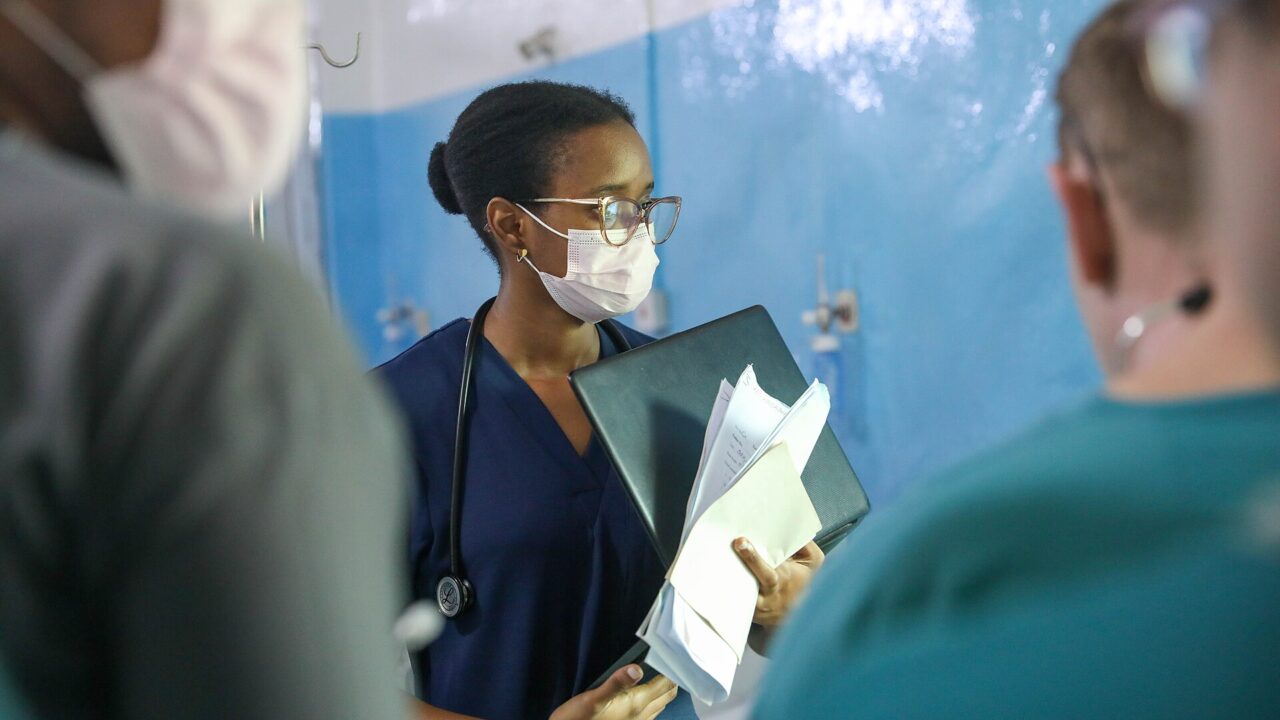
Kenya has confirmed its first imported case of Bundibugyo Ebola virus disease, a patient who travelled from the Democratic Republic of Congo through Uganda, arrived in Nairobi on October 3, and died on October 5 after admission to Nairobi Hospital. The Ministry of Health has since widened contact tracing to 57 people, with ten placed under quarantine and daily monitoring.
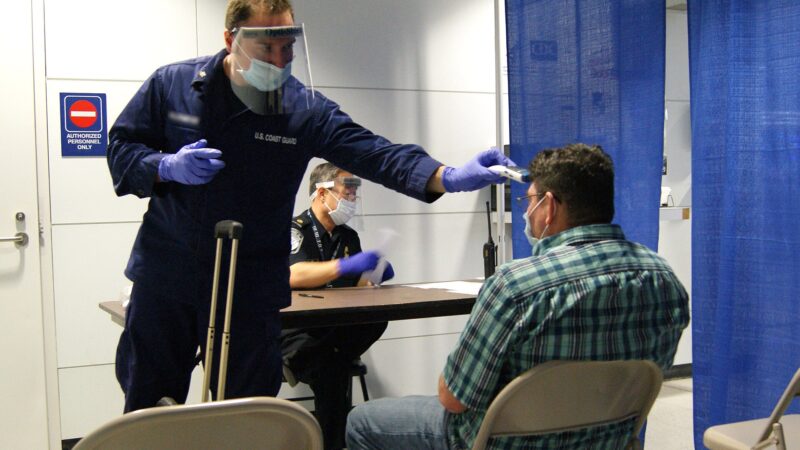
The response, by the numbers the ministry has published, is a study in how a prepared system is supposed to move. Five facilities have been designated to manage cases, with an initial capacity of 241 beds across Kenyatta National Hospital, Moi Teaching and Referral Hospital, the National Police Service Hospital, Portreitz and Nairobi Hospital, plus five temporary isolation centres and renovations under way at Alupe Sub-District Hospital in Busia County. Screening has been intensified at Jomo Kenyatta International Airport and other entry points; the ministry reports 652,584 travellers screened and 267 samples tested by October 6. A safe and dignified burial was conducted with the Kenya Red Cross.
The funding coalition forming behind the response tells its own story about regional risk pricing: Kenya expects roughly Sh75.4 billion in preparedness support, Sh51.8 billion from the World Bank, Sh21 billion from the United States and Sh2.6 billion from the National Treasury. Money on that scale does not mobilise for one case; it mobilises for what one case can become if the tracing fails, in a region where Bundibugyo outbreaks have crossed borders before. Kenya is the fourth country to report a case linked to the current regional situation, per the WHO notification of October 6.
Health Cabinet Secretary Aden Duale has urged the public not to panic, pointing to response systems in place, and the WHO advises against travel or trade restrictions. Both instructions deserve to survive the headline cycle. Ebola’s terror works partly through arithmetic: a low-probability, high-consequence event invites either complacency or stampedes, and both kill cooperation, which is the actual currency of containment.
Watch three things now: whether all 57 contacts complete monitoring without secondary cases; whether the Wajir suspected case (see our coverage) confirms or clears; and whether the screening architecture holds at land borders as it has at the airport. Kenya bought itself a head start with an honest, fast confirmation. The next three weeks decide what the head start was worth.