
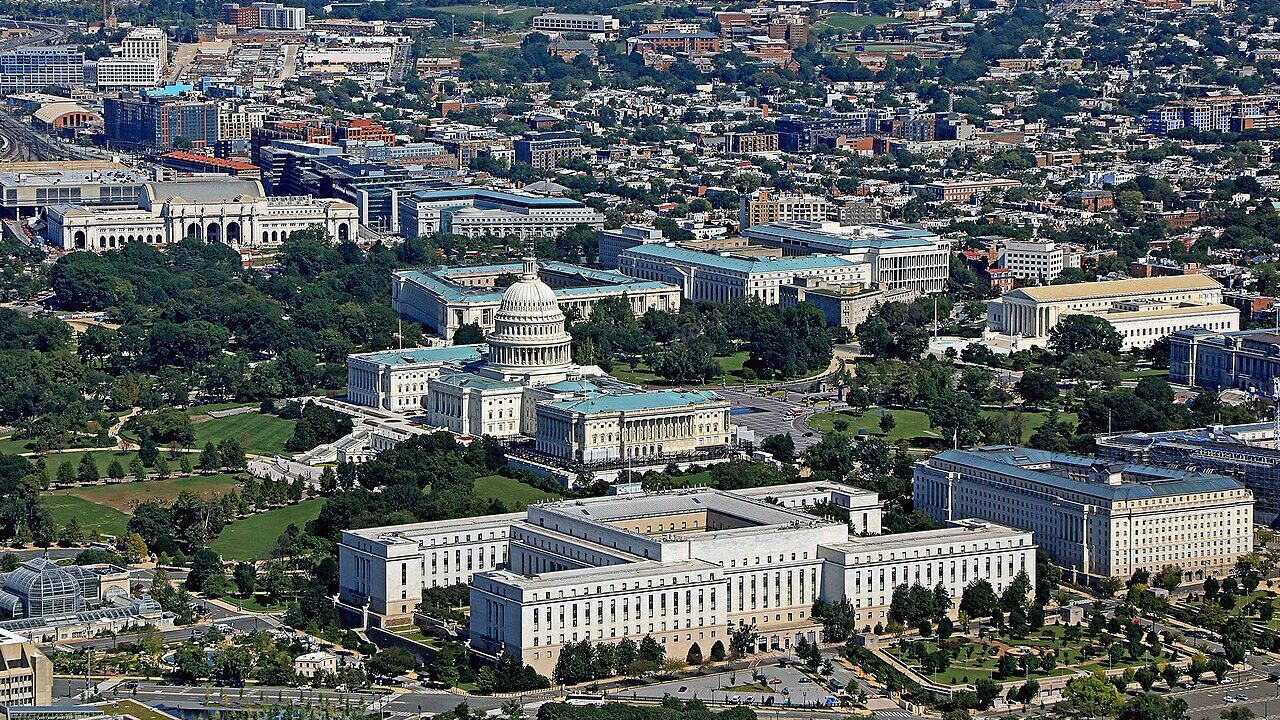
Democrats will take control of Congress in January, giving them greater influence over military spending, oversight and the administration foreign policy, but not an automatic veto over presidential decisions, according to reporting on Thursday. That distinction is the most important fact about the next two years, because it defines what the election changed and what it did not. A Congress can shape a war. It cannot by itself end one, and anyone who expects the new majority to do so quickly will be disappointed.
Why it matters
The powers Congress does hold are substantial. It authorises and appropriates military spending, which means it can attach conditions to the money that funds a war, and it can refuse to fund an expansion it opposes. It controls committees, subpoenas and hearings, which means it can investigate the decisions that led to the war, the costs that followed, and the plans for what comes next. It can pass legislation on war powers, sanctions and tariffs, and it can use the power of the purse on must pass spending bills that the president must sign to keep government running.
The powers Congress does not hold are equally clear. The president remains commander in chief, and he retains the authority to order military action, including the strikes on Iran that are now under consideration. A Democratic majority cannot compel the president to negotiate, and it cannot override a presidential veto without a two thirds majority in both chambers, which it does not have. That means the most consequential foreign policy decisions of the next two years will still be made in the White House, and Congress role will be to constrain, to question and to fund, rather than to decide.
What happens next
The Iran question illustrates the balance. Trump is weighing renewed strikes, a deal or continued economic pressure, and his advisers are divided between those who favour an agreement and those who favour maintaining the blockade. Congress can hold hearings on that choice, it can question the legal basis for strikes, and it can shape the funding that supports them. But if the president orders a strike, Congress cannot prevent it in advance. Its power is retrospective and financial, not immediate and operational.
For voters who backed Democrats to end the war, the honest message is patience. The new Congress will change the politics of foreign policy, and it will make a new war harder to sustain, but it will not end the current one by itself. The election gave Democrats a louder voice in how the war is answered. It did not give them the power to answer it alone. The next two years will be a negotiation between a president who holds the sword and a Congress that holds the purse, and the outcome will depend on how both use what they hold.