NASA Opens Bids for First Nuclear Reactor on the Moon
NASA has invited private companies to design and test the first nuclear reactor built to generate electricity on the Moon, The system, called Lunar Reactor 1, is a small fission plant rated at 20 kilowatts, enough to supply about 16 average homes in the United States for a year. NASA wants a system ready for launch by 2030, and expects it to run on the lunar surface for at least five years. Proposals are due by December 21 and the NASA announcement calls it a major step towards a sustained human presence beyond Earth.
The call follows a draft proposal released in August and an industry day held in September at the Ohio Aerospace Institute in Cleveland, NASA said the work will cover technology development, reactor testing and the flight design, The reactor must meet Department of Energy safety standards for nuclear operations, a condition that places safety and testing at the centre of the competition. No contractor has been named yet, and no contract value has been published, so the announcement sets a target rather than choosing a winning design.
Why nuclear power matters for a Moon base
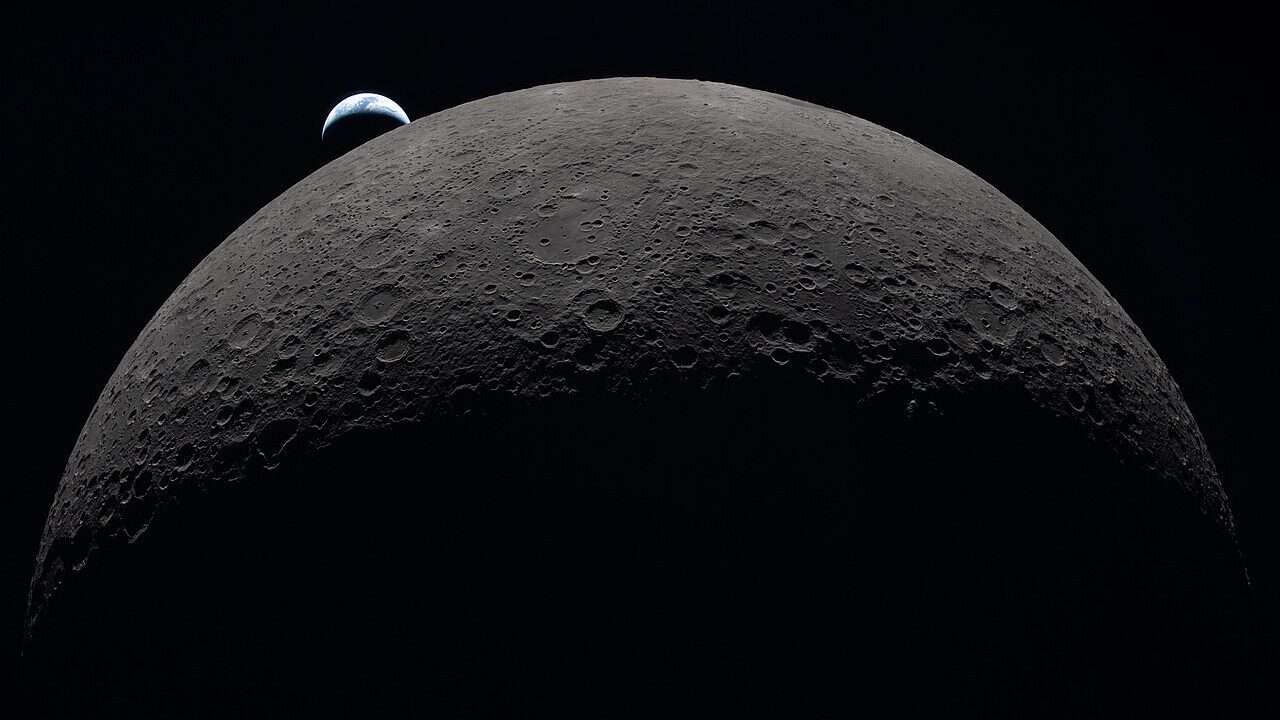
Solar power has carried lunar missions so far, but it has a clear limit. The Moon endures a night lasting about two weeks, and some of the most interesting places, including shadowed craters that may hold water ice, receive little direct sunlight at all. A fission system runs continuously through darkness and in terrain where sunlight rarely reaches, which makes it a steadier source for habitats, rovers and scientific instruments. That continuity explains why NASA treats power as a foundation, not an accessory.
The wider programme is already moving in the same direction. Artemis II is set to carry astronauts around the Moon, while robotic missions continue to map the surface and test the tools that crews will need. On Mars, Perseverance has shown how a rover can work for years in a harsh landscape when its power supply is reliable. A lunar reactor would apply the same lesson closer to home, giving planners a power source they can count on through the long night and through dust, cold and shadow.
What happens next
Industry teams now have a defined window to submit proposals, and NASA is expected to move towards prototype testing before committing to a flight unit. The goal is to prove that a reactor can survive launch, land intact, start up without a crew on site and run unattended in a hostile environment. Brian Giblin, the NASA programme manager, said a reliable source of safe and abundant energy will be vital to future exploration of the lunar and Martian surface, he said.