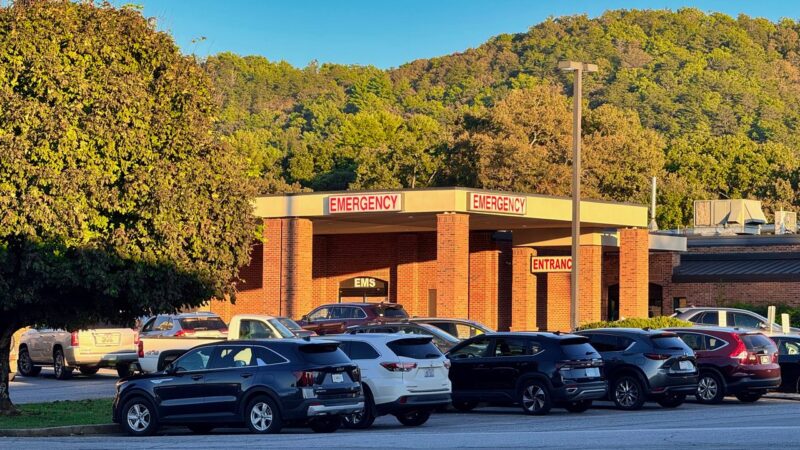
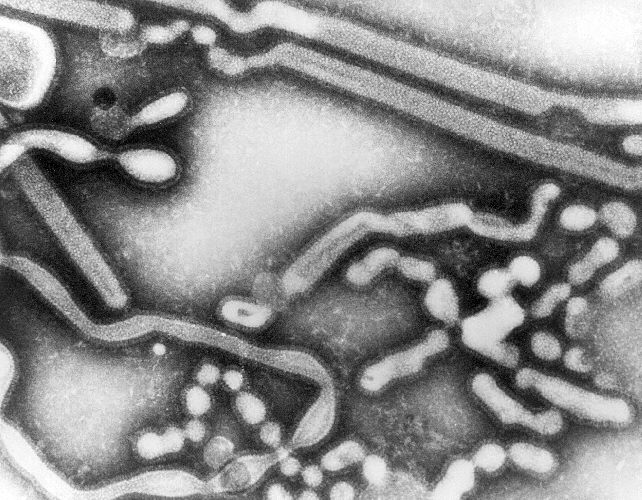
Flu season has arrived early in the United States, and it is gaining speed fast. The latest weekly report from the Centers for Disease Control and Prevention shows flu activity running higher than is typical this early in the fall, with seven states reporting high or very high activity in the week ending November 7, up from two the week before. The states hardest hit so far are California, Louisiana, Oregon, South Carolina, Tennessee, Texas and Washington, with Louisiana faring the worst.
Since the season began on October 1, flu has caused at least 2.6 million illnesses, 36,000 hospitalizations and 2,100 deaths, according to the CDC estimates. Five children have died from flu this season, including two deaths reported in the past week. For the week ending November 14, the share of outpatient visits for flu like illness rose to 3.8 percent, up from 3.4 percent the previous week, and nearly all cases stem from influenza A, mostly the H1N1 strain.
Why this season is different
The H1N1 strain behind this season surge has picked up mutations that could help it dodge the body’s immune defences, according to reports, though early lab testing shows this year’s vaccine still recognizes the virus that is going around.
Doctors expect Thanksgiving travel and get togethers to help the virus spread, and they are urging people who have not been vaccinated to get the shot now. A flu shot takes about two weeks for antibodies to develop, so one given this week would start working in early December, after the holiday meal but before Christmas. The CDC recommends a flu shot for everyone 6 months and older.
A quieter public health voice
This season also brings a genuine first. A new mRNA based flu vaccine, mFLUSIVA, was approved by the Food and Drug Administration in August 2026 for adults aged 50 and older, making it the first FDA approved mRNA flu vaccine. For adults aged 65 and older, enhanced flu shots are also available, including higher dose, lab grown and adjuvanted versions designed to produce a stronger immune response in older bodies.
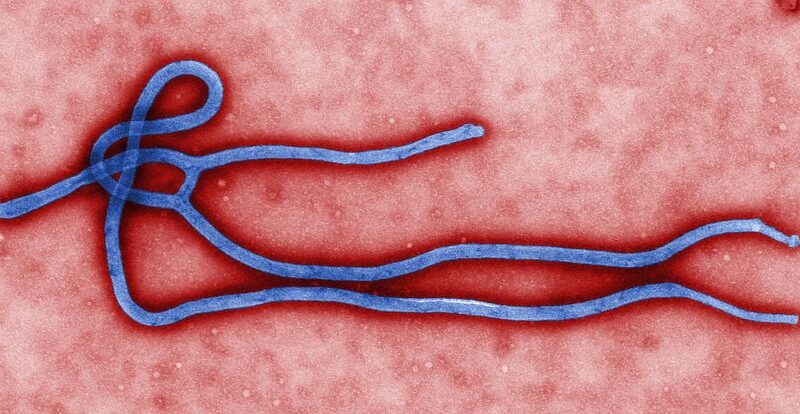
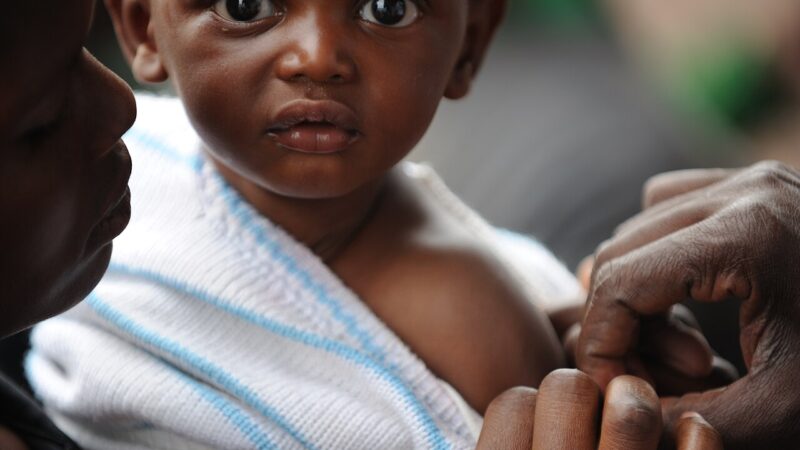
Yet the CDC’s usual seasonal vaccine reminders have gone quiet this year, at a moment when the agency’s own data shows activity rising early and sharply. Under Health and Human Services Secretary Robert F. Kennedy Jr., the agency vaccine awareness efforts have largely stopped, leaving medical associations, pharmacy chains and state health departments to fill the gap. The flu numbers arrive as Ebola cases abroad remind officials that surveillance never stops, and the measles catastrophe in Bangladesh has already shown this year how fast a preventable disease can spread when vaccination falters.