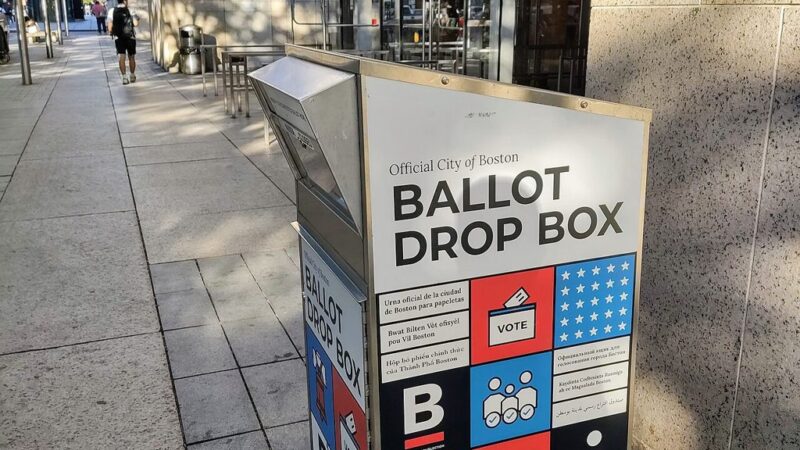
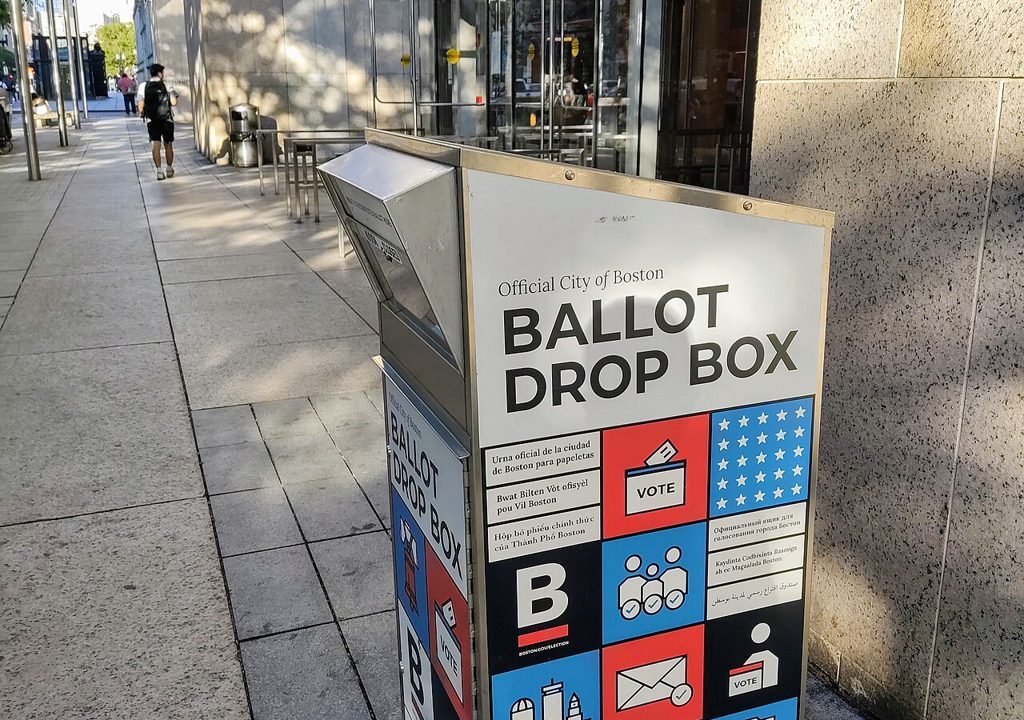
The Alaska Senate race has two legal fights, and the second may matter more than the first. The first is the criminal investigation into how a nonpartisan candidate named Daniel J. Sullivan Jr reached the ballot, following reports that aides recruited a retired schoolteacher from a remote fishing village because he shares a name with Republican incumbent Dan S. Sullivan. The second is the set of federal motions seeking to block Alaska from certifying the Senate results if the incumbent loses a close race on a ballot that includes the nonpartisan candidate. Candidacy is about who stands; certification is about whether the count stands, and the second fight goes to the heart of how elections end.
Certification is normally a routine administrative step: counties count, the state canvasses, results are certified, and the winner takes office. Litigation that seeks to block certification before votes are counted inverts that sequence, asking a court to anticipate an outcome and prevent its formal recognition. The Department of Justice motions, acting on a civil lawsuit that President Donald Trump said he instigated, are framed around a close loss for the incumbent, which means they anticipate a particular result rather than applying neutrally to any margin. Courts will ask whether that framing reflects a genuine concern about ballot confusion or a prejudgement of an election that has not yet been decided.
Confusion as a legal argument
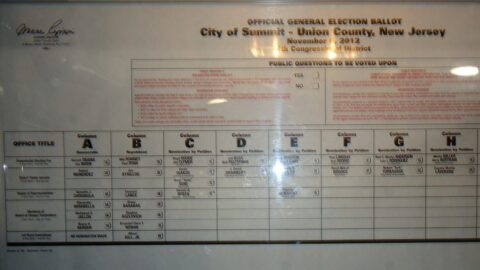
Ballot confusion is a real phenomenon, and Alaska’s race presents it in its purest form: two Sullivans, one an incumbent senator and one a retired teacher, on the same ballot, in a race where the margin could be small. Voter guides, ballot design and campaign advertising can reduce confusion, but they cannot eliminate it, and a court asked to block certification will have to weigh how much confusion is enough to invalidate a count, and what evidence proves it. The criminal investigation may establish how the nonpartisan candidate was recruited, but recruitment alone does not prove that voters were misled in numbers sufficient to change the result, and that evidentiary gap will be central to any hearing.
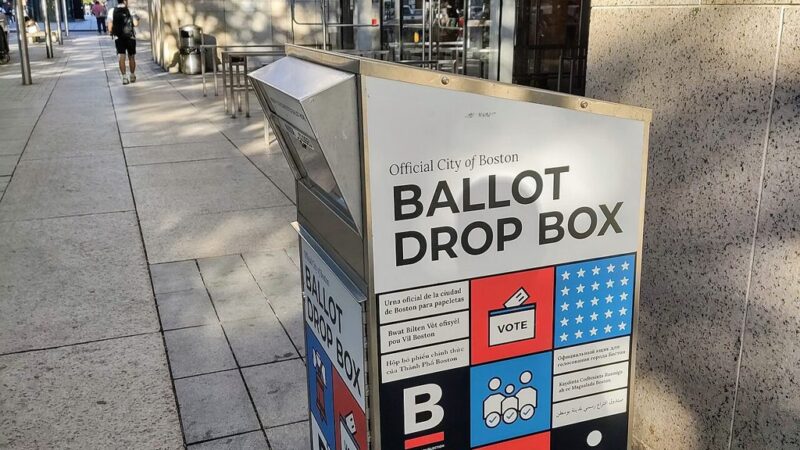
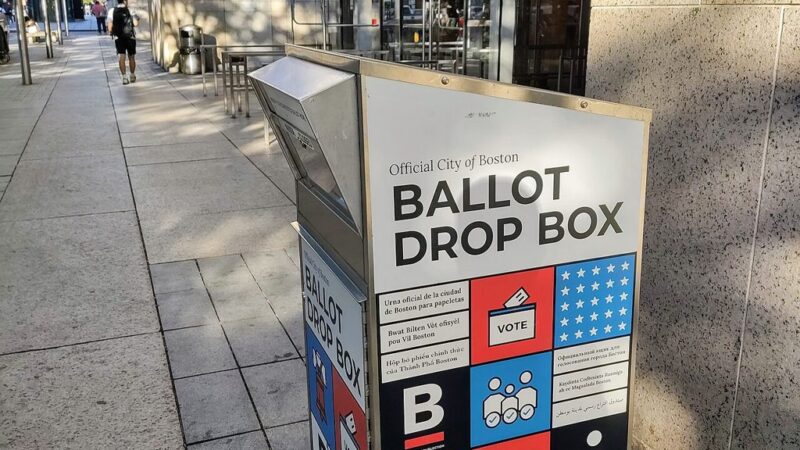
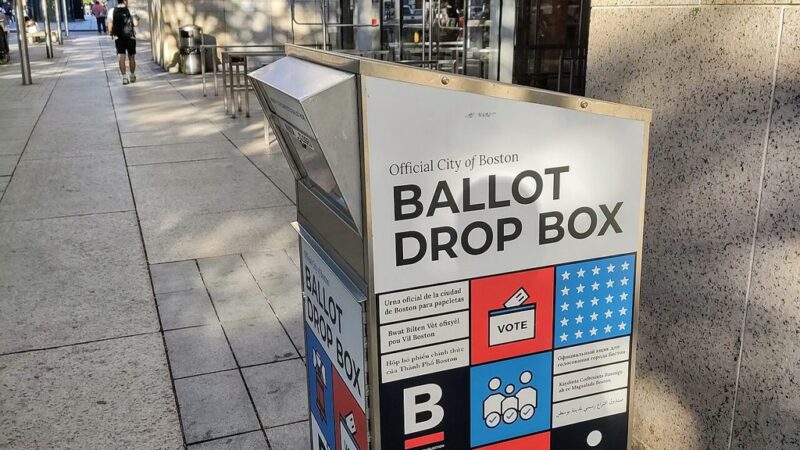
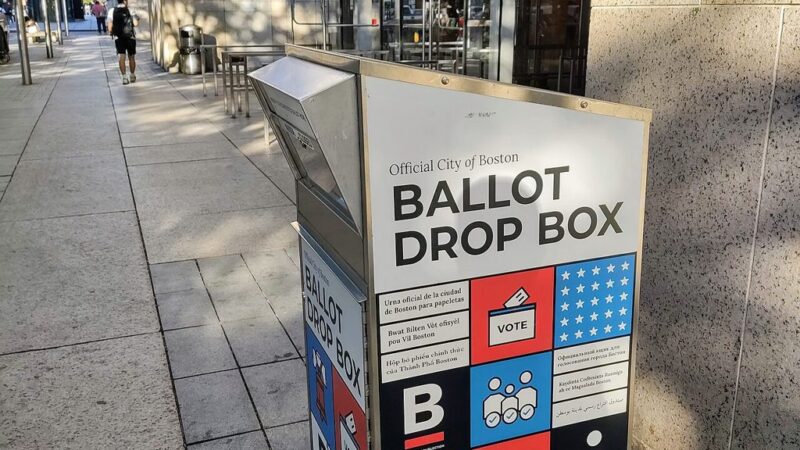
The stakes extend beyond Alaska because the race is seen as crucial for Democrats hoping to take Senate control from Republicans in Tuesday’s vote. It is one of 35 Senate races that will set the tone for the final two years of Trump’s presidency, alongside all 435 House seats. A certification block in Alaska would therefore not only delay one senator’s seating; it would leave the Senate majority uncertain while litigation proceeds, with national consequences for legislation, confirmations and investigations. The campaign for control of Congress reached its final weekend with Alaska under federal scrutiny, and the certification question ensures the state’s result may not be final on election night, or for some time after.
What voters should expect
Voters in Alaska should expect a result that is counted, challenged and possibly litigated, in that order, and they should not mistake a delayed certification for a stolen election or a blocked certification for a protected one. The legal process, if it follows precedent, will require specific evidence about specific ballots, not general claims about confusion, and it will be tested against the principle that elections are decided by voters, not by motions filed before votes are counted. That principle is easy to state and hard to apply when two candidates share a name, which is why the Alaska case will be watched by election lawyers nationwide.
Whatever Tuesday brings, Alaska’s Senate race is unlikely to end quietly. The name on the ballot created the controversy; the certification fight will decide how it ends. And the ending, whether a certified winner takes office promptly or a courtroom decides the timeline, will be cited the next time a close race produces a similar dispute, in Alaska or anywhere else.