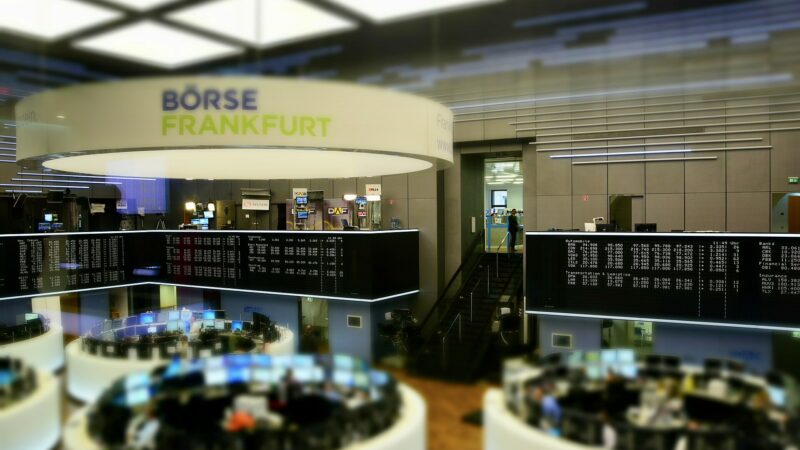
The London Stock Exchange opened on Friday with its largest initial public offering in five years, and the company ringing the bell sells banking to people the banking system never reached. Airtel Money, the mobile-payments business backed by Bharti Enterprises, began conditional trading at an offer price of £1.96 a share, valuing it at roughly £5.3 billion, about $7 billion.
Shares rose as much as 2.1 per cent in early dealings before slipping just below the offer price, the market’s shrug of cautious respect. The offer itself is a secondary sale: 270 million existing shares from minority holders, with up to 27 million more available from Mastercard Asia/Pacific under the overallotment, for a total near £582 million if fully exercised. Full admission to the Official List is expected on October 14, trading under the ticker AMC.
The interesting question is why London, and the answer is the asset. Airtel Money operates across Africa, where its agents and phone-based accounts do the work branches never did: wages, remittances, merchant payments, savings in miniature. A valuation of £5.3 billion prices growth in markets where the customer relationship begins on a handset, not in a marble hall, and where the float of millions of small balances is a business most Western banks structurally cannot copy. London gets the listing because London is where international capital already prices emerging-market telecom and payment assets, and because a five-year IPO drought made the exchange hungry for exactly this kind of debut.
For the LSE, the listing is a proof-of-life exhibit in its running argument with New York that global companies can still raise global money in Britain. For Bharti, spinning value out of the payments arm into a listed currency does what conglomerates exist to do: make the market price the parts. And for Mastercard, selling into the offer while remaining the payments rail beneath it is the quiet hedge of a partner that profits either way.
Listings this size are also diagnostics. A debut that holds its price into unconditional trading on the 14th tells risk committees that the emerging-market growth story still clears a London bookbuild at scale. One that sags tells the next three African and Asian issuers in the queue to wait. Africa’s phones, as usual, will be watching first.