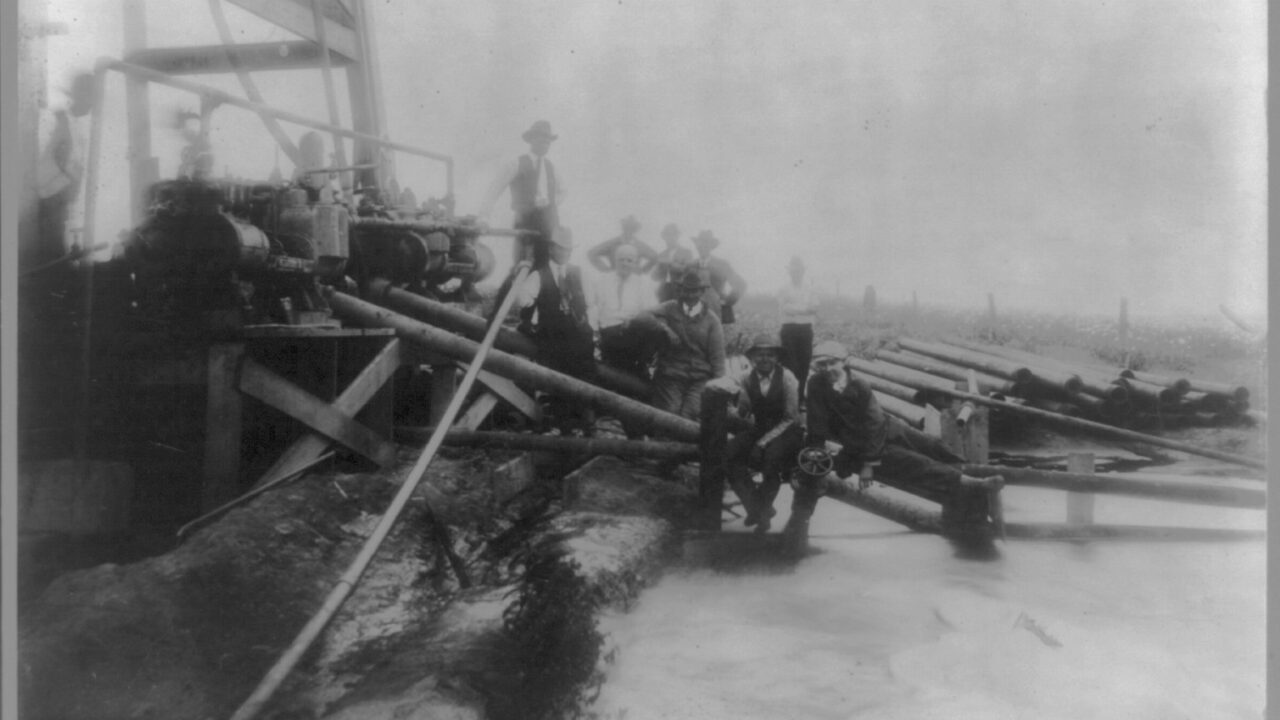
Brent crude jumped four per cent on Thursday and hovered near $104 a barrel on Friday before easing a fraction, and every finance ministry, airline and central bank on earth felt the same small chill. Oil at this price is not yet a crisis. It is a tax, a headline and a forecast all at once, and it is worth being precise about the order in which those arrive.
First, the tax. Crude is the input under transport, food, chemicals and heat, and a sustained $100-plus barrel moves through them in weeks: diesel to freight, freight to shelf prices, jet fuel to fares. The United States, even as a producing nation, prices its fuel off world markets, which is why presidents talk about gas taxes they cannot suspend (Congress, currently out of town until the midterms, holds that lever) and why 18.4 cents a gallon has become October’s most discussed coin.
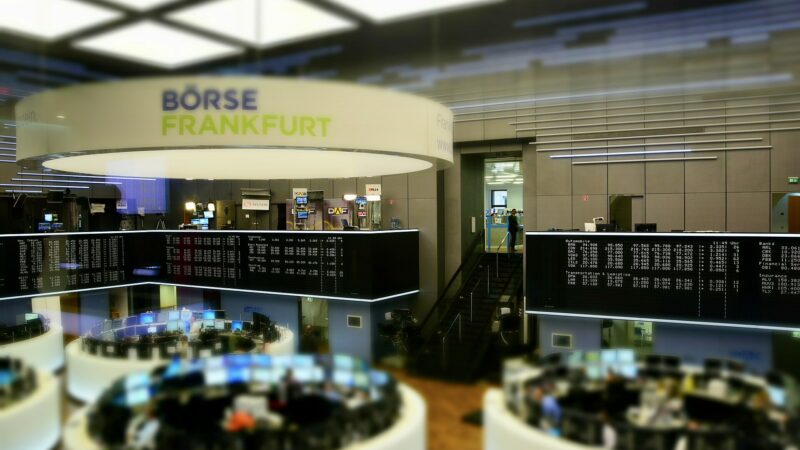
Second, the forecast. Central banks spent two years fighting inflation down and are now reading oil the way farmers read clouds. A brief spike is weather; a quarter at these levels is climate, feeding the inflation expectations that decide whether interest rates can fall. That transmission (crude to expectations to mortgage rates) is why stock markets split on Thursday, energy and defensives up, growth down, and why a commodity traded in barrels moves the price of houses.
Third, the geopolitics, which is where this spike lives. The premium in the price is not scarcity; it is the risk premium on Middle East supply, with American power blockading Iran’s exports, tanker traffic through the Strait of Hormuz running at record volumes that pointedly exclude Iranian barrels, and a ceasefire whose adjective in every report is “shaky”. Oil traders are paid to price the tail risk: if Hormuz flow is interrupted rather than merely threatened, $104 becomes a memory by the end of the week.
The honest way to watch this is to separate the three oils: the physical barrel (plentiful), the paper barrel (nervous) and the political barrel (priced by presidents and admirals). Friday’s small decline says the physical market is calm. The week’s four per cent rise says the other two are not. Households will meet this price at the pump and the till regardless of which barrel set it, and that, in an American October, is why $104 is never just a commodity quote.