
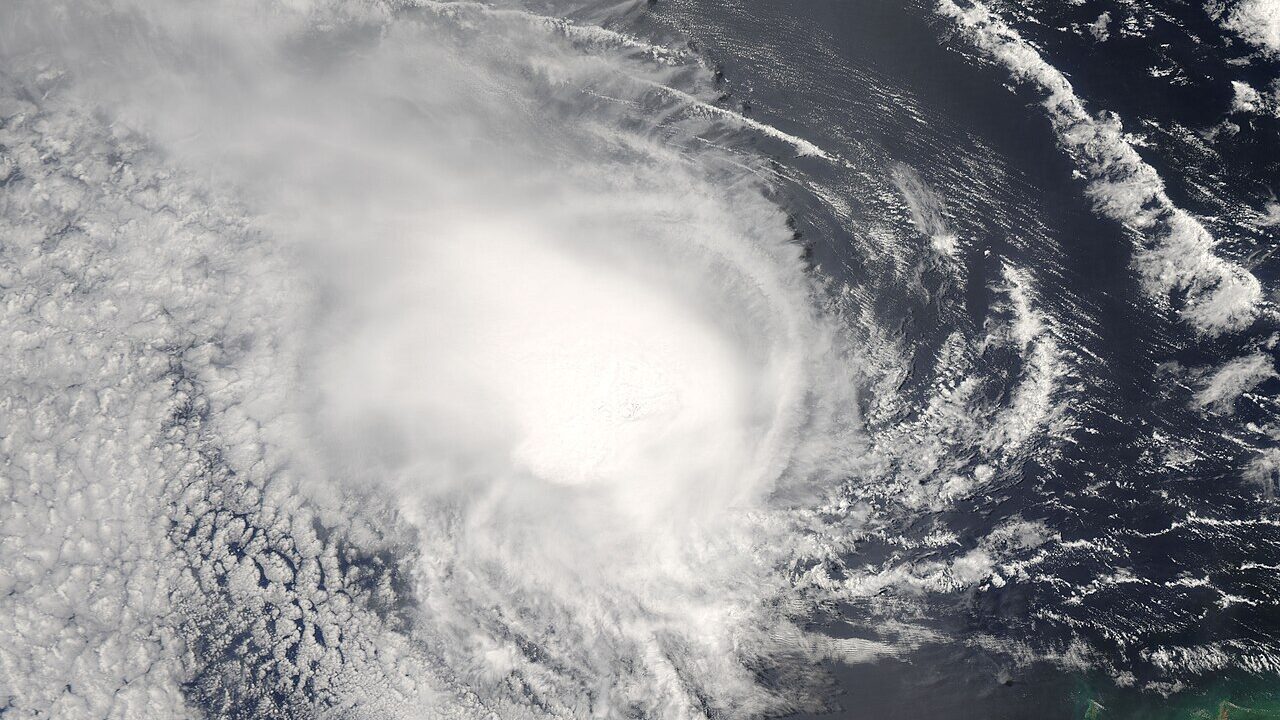
Odisha relief package for Cyclone Arnab families arrives at the same time as a warning about the next storm, and that timing defines the state challenge. The Special Relief Commissioner announced a special package for affected families after the toll rose to six on Sunday, with 10 people still missing, 1.18 lakh people affected, 75,388 hectares of crop area affected and 1,672 houses damaged. At the same moment, the state was evacuating vulnerable districts again for Cyclone Murasu, which is expected to make landfall on the Andhra Pradesh coast on November 3. Relief for the last storm and preparation for the next are now the same operation.
The package details, as reported, focus on families of the dead and missing, on crop losses and on damaged houses, with Ganjam and Kandhamal identified as the worst affected districts. Those districts are also among those facing Murasu rain, with heavy rainfall expected in Ganjam, Gajapati, Rayagada, Koraput and Malkangiri. A relief package that reaches families before the next rain will help them prepare. A package delayed by the next storm will arrive when families need shelter, not paperwork. Speed is therefore part of the relief itself, not only its administration.
Power restoration offers a model for speed. Electricity supply reached 99.05 percent of affected consumers, 17,72,028 out of 17,88,942, with more than 6,400 staff deployed in southern Odisha and 130 primary substations operational. Districts such as Malkangiri, Boudh and Rayagada reached 100 percent restoration, while Ganjam reached 93 percent. That progress was achieved by prioritising substations, deploying staff at scale and reporting daily totals. A relief package delivered with the same daily reporting, district by district, would be easier to trust than one announced without a timetable.
Relief and readiness together
The state approach, as described by officials, is to retain Arnab arrangements and upgrade machinery for Murasu, rather than starting a new operation from scratch. Schools and colleges in some southern districts closed until November 3, evacuation resumed in landslide prone areas, and a high alert sounded in the south, including Ganjam. Food stocks for 15 to 20 days, water tankers and medical teams in affected areas, and Navy and Coast Guard helicopters delivering food to isolated villages during Arnab, all form part of a system that must now serve two storms at once.
The Odisha relief and second storm story also raises a question about crop compensation. With 75,388 hectares affected, farmers in Ganjam and Kandhamal face losses that a relief package can only partly cover, especially if Murasu rain damages the same fields again before assessment is complete. Accurate, rapid crop assessment, before the second storm washes away evidence, is therefore urgent, and officials’ emphasis on accurate information to the media during emergencies applies equally to assessment teams in the field.
What success looks like this week
Success this week will look like two things happening at once: families receiving Arnab relief without delay, and vulnerable districts evacuating for Murasu without confusion between the two operations. If relief and readiness are managed as one operation, with clear district totals and clear evacuation orders, Odisha will have shown how a state handles paired cyclones. If they compete for staff, shelters and attention, the second storm will compound the first, and the relief package, however generous, will be remembered as arriving too late for the families who needed it first.