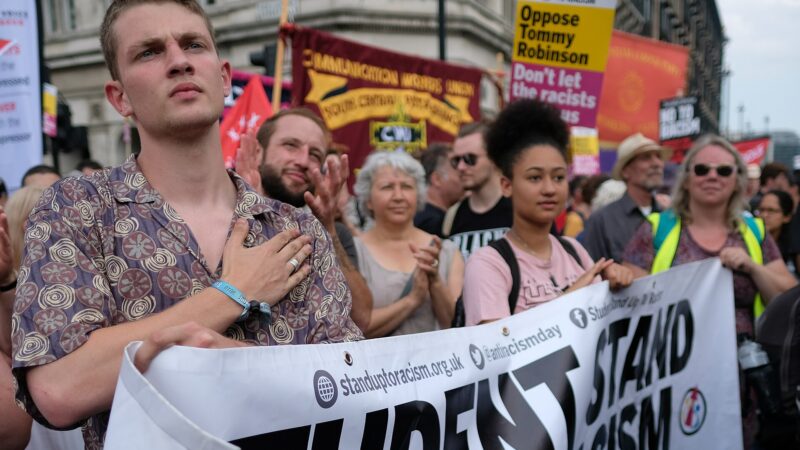
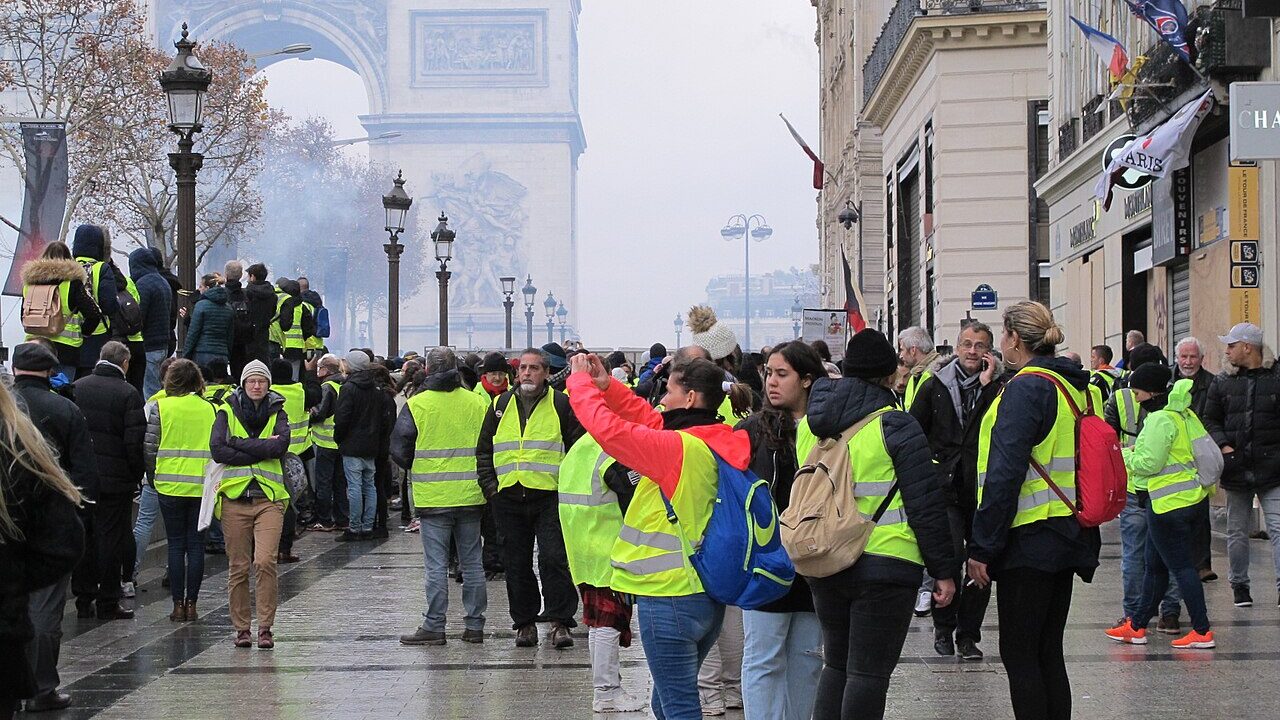
On Saturday, hundreds of thousands of people marched across France, and within hours, two very different numbers were in circulation. Authorities put nationwide turnout at 320,000, according to Le Monde citing the Interior Ministry, while a coalition of youth organisations and unions claimed nearly half a million, including 200,000 in Paris. Both numbers describe the same marches, on the same day, in the same country, and both cannot be exactly right. The gap between them is not a rounding error, but a feature of how protest numbers are counted, and of why they matter.
Police and organisers count differently, and they count for different reasons. Police typically count at fixed points, using cameras, officers on the ground and estimates of crowd density over time, and they tend to produce conservative figures, because they count people they can see, at a moment they can verify. Organisers typically count across a whole route, over a whole day, including people who join late, leave early, or march in parallel demonstrations in smaller towns, and they tend to produce larger figures, because they count participation, not just presence at a single point.
Neither method is dishonest, and neither is exact. A march is a moving, changing crowd, not a stadium with turnstiles, and any number for it is an estimate, with a margin of error that is rarely published. That is why the same demonstration can be reported as 320,000 by one source and close to half a million by another, without either source inventing its figure. The difference reflects method, not fabrication, although each side has an incentive to prefer the figure that suits its narrative: authorities prefer a smaller number, to suggest a movement is fading, while organisers prefer a larger number, to suggest it is growing.
Why the number matters
Protest numbers matter because they are a proxy for public support, and because governments, journalists and voters use them to judge whether a movement is rising or falling. Saturday’s marches were the third consecutive weekend of demonstrations over living costs and education, and the question after three weekends is whether the movement is sustaining its momentum, or whether it has peaked. A figure of 320,000, compared with previous weekends, suggests one answer. A figure of close to half a million suggests another, and the choice between them shapes headlines, editorials and political responses.
That is also why student leaders’ call for school blockades on Tuesday and Thursday matters more than any single Saturday number. Blockades are visible in a way that a march number is not: a school is either blocked, or it is not, and a parent, teacher or journalist can see it. If Tuesday and Thursday bring widespread blockades, the movement will have shown that it can mobilise schools, not just streets, regardless of whether Saturday’s number was 320,000 or 500,000.
Reading protest numbers honestly
Honest reporting on protest numbers therefore requires both figures, with their sources, and an explanation of how they were counted. A report that gives only the police figure, or only the organisers’ figure, without the other, is not reporting a fact, but choosing a narrative. A report that gives both, and explains the method behind each, gives readers the tools to judge for themselves, and to understand why a movement’s size is always contested, even when its presence on the streets is not.
Saturday’s marches, with scuffles in Paris and other cities at the end of nationwide demonstrations, showed that the French protest movement is still able to bring large numbers onto the streets, by either count. Whether it can turn those numbers into a comprehensive funding plan, which student unions say is their condition for ending protests, will depend less on how many marched on Saturday, and more on what happens in schools on Tuesday and Thursday.