Jambojet flight JM8523 landed at Nairobi from Entebbe on the afternoon of Saturday, October 3, carrying 23 passengers and four crew besides the man who would become Kenya’s first confirmed imported Ebola case. He was met by a relative, driven to Nairobi Hospital, isolated with symptoms of viral haemorrhagic fever, tested positive and died on October 5. The flight manifest then became the most important document in Kenyan public health.
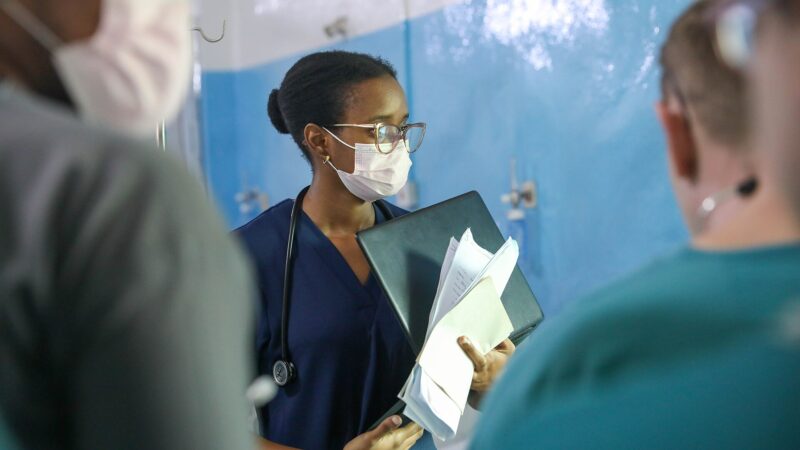
Contact tracing sounds abstract until it is a list of names from one aircraft. The ministry’s published sequence shows the craft of it: identify everyone in the exposure window (28 high-risk contacts among family and the clinicians who handled triage and admission), then widen to the travel circle (the 23 passengers and four crew), then keep widening honestly: by this week, 57 contacts identified, ten quarantined under daily symptom monitoring, the rest being located through the airline, port health and phone calls. Jambojet has said it is working with the ministry and port health services; the patient had lived in the DRC for seven years, fallen ill about a month ago and travelled by road to Kampala before flying.
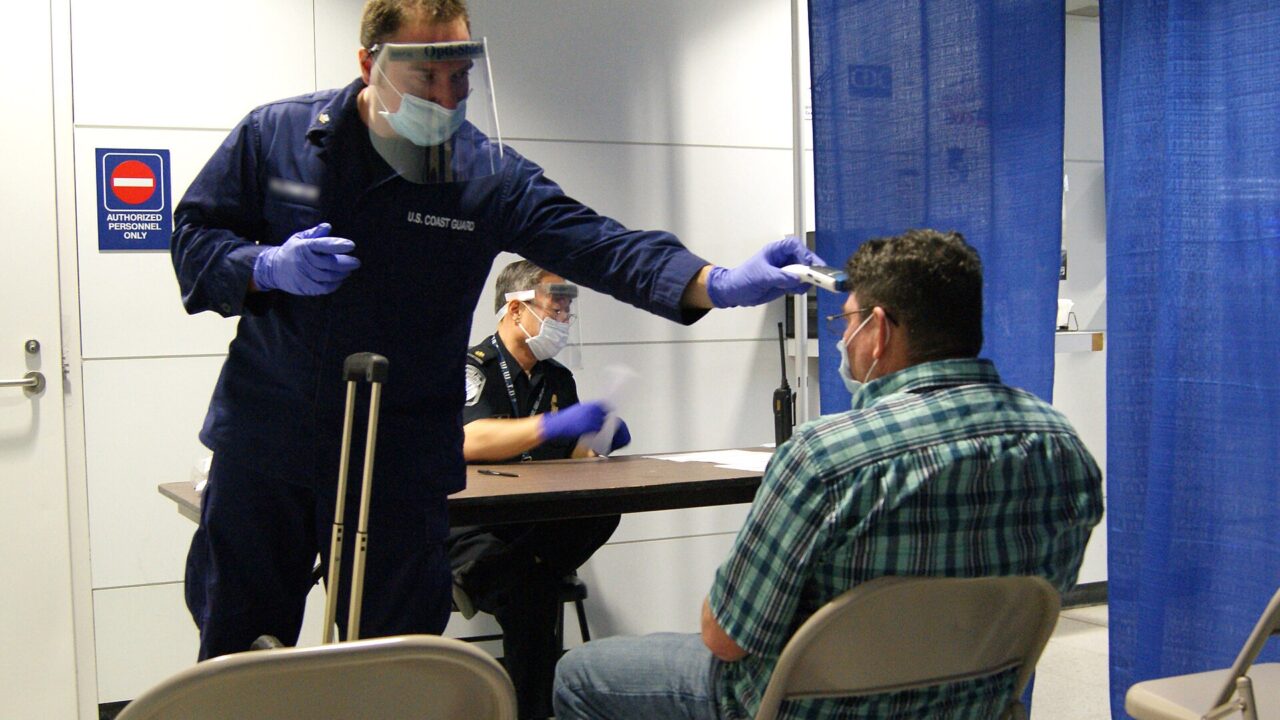
A flight is the hardest tracing environment there is, because it is brief, anonymous and dispersing. Passengers give airlines data designed for tickets, not epidemiology; they land and scatter into taxis, counties and connecting lives within the hour. That is why the first 48 hours after a confirmation decide whether tracing is a net or a sieve, and why Kenya’s decision to publish numbers quickly (contacts, beds, screening totals) is operationally smart: it recruits the public into the search instead of letting rumour do it.
The WHO’s position (no travel or trade restrictions) is the other half of the discipline. Restrictions feel decisive and accomplish the opposite: they drive travel underground, where no manifest exists. Kenya is holding the harder line, screen, trace, publish, no bans, while Rwanda has moved to bar recent visitors from the DRC entirely, and the UK has updated travel advice urging vigilance. Different states are pricing the same risk differently, and the coming weeks will grade them.
For travellers, the ministry’s guidance is undramatic and correct: wash hands, avoid close contact with the sick, and seek care immediately after a possible exposure. The drama is in the spreadsheet. Somewhere in Nairobi this weekend, a team is still dialling the last numbers from one Saturday flight, and the success of a national response reduces, as it always does, to whether anyone stops answering the phone.