
Both governments denied it within hours. But the Axios report that Benjamin Netanyahu and Donald Trump privately debated a strike on Iran — with Washington declining to guarantee its support — keeps generating aftershocks, because the underlying divide it describes is real and longstanding.
The reporting, from October 13, said Mr Netanyahu pressed the American president on the strike question and left without the assurance he wanted. Israeli outlets added detail: Ynet reported no strike is expected before Israel’s October 27 elections, and Channel 12 described American reluctance, according to Axios’ reporting via Opera News. Neither denial addressed the substance of the disagreement — only the fact of the conversation.
The clock to October 27
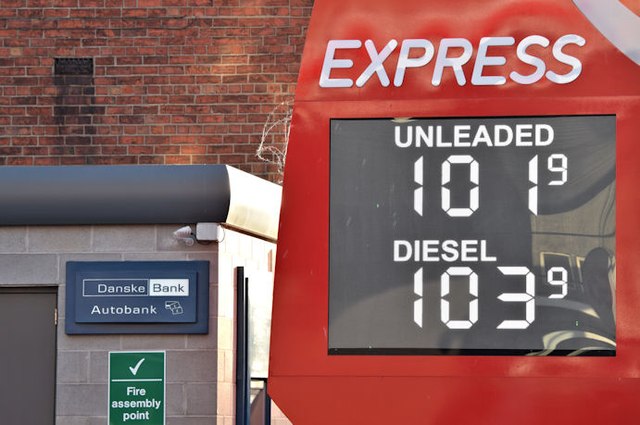
Israel’s elections are the near-term constraint. Mr Netanyahu, with Likud polling 49–53 of 120 Knesset seats, has little incentive to force a confrontation with Washington while campaigning — and midterm politics gives Trump his own reasons to avoid a new war: energy prices at $110, voters tired of foreign entanglements.
But elections end. The structural gap — Israel viewing a nuclear-capable Iran as existential, America viewing another Middle East war as unaffordable — does not. It has survived administrations of both parties, and it will outlast the current news cycle too.
What the denials really mean
In pre-strike diplomacy, denial is the default setting; neither capital would confirm such a debate even if it happened verbatim. The test is not the statements but the calendar: after October 27, the question returns, and the denials will be measured against what actually happens.
The wider region is already primed. Hormuz shipping is under attack, Brent crude sits at $110, and American carriers have cycled through these waters all year. In that environment, a private disagreement between allies is not a footnote — it is the variable that could decide whether the next crisis is managed or ignited.